15 Jul 2026
Tournament Calendars in Online Card Competitions Aligning with Reel Game Peaks Across Handheld Betting Apps

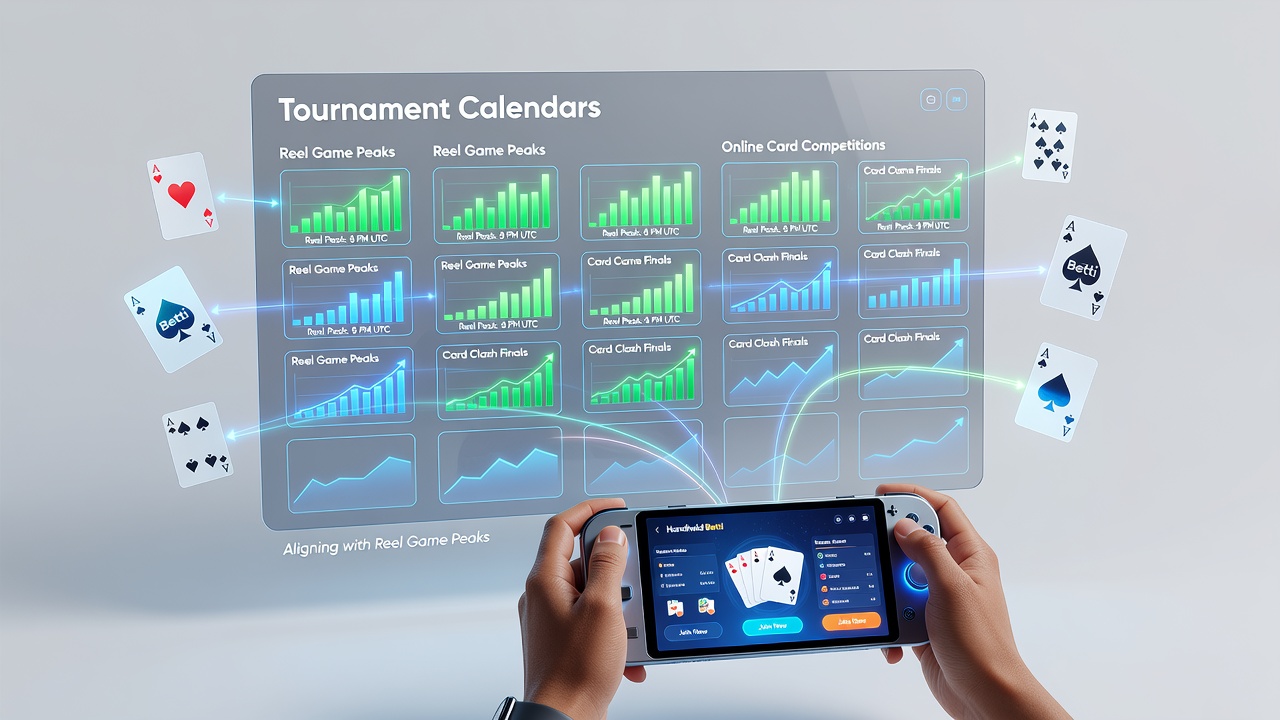
Online card competitions operate on structured calendars that operators adjust to match traffic surges in reel games across handheld platforms, creating synchronized activity windows that platforms track through usage metrics and participation logs. Data from multiple regions shows these alignments occur because reel game peaks often coincide with evening and weekend hours when card tournament entries rise, leading developers to release schedule updates that fill those same time blocks with multi-table events and sit-and-go formats.
Calendar Construction and Regional Timing Adjustments
Operators build tournament calendars by analyzing historical player data from mobile sessions, and they shift start times for events such as Texas Hold'em series or Omaha knockouts to overlap with documented reel game high-traffic periods that typically run from 8 PM to midnight in North American time zones. Figures released by the iGaming Ontario indicate that July 2026 saw a 14 percent increase in combined card and reel sessions during these overlapping windows on tablet and smartphone apps, with calendar adjustments made weekly to account for daylight saving transitions and regional holidays.
Those adjustments include shortening registration periods for certain tournaments or adding satellite qualifiers that feed into main events scheduled during reel peaks, and the result appears in aggregated session length reports where users remain active across both game types without switching apps. Australian data collected by the Victorian Commission for Gambling and Liquor Regulation shows similar patterns, where handheld betting platforms in that jurisdiction extended daily tournament grids by two to three hours in July 2026 to capture reel game surges reported after local sports fixtures concluded.
Handheld App Mechanics That Support Dual-Game Alignment
Handheld betting apps integrate push notifications and in-app calendars that alert users to upcoming card events while they engage with reel titles, and backend systems monitor real-time load to prevent server strain when both categories see simultaneous spikes. Developers implement staggered start times so that a poker tournament registration window opens as a popular slot title enters its bonus round cycle, which keeps overall platform engagement steady rather than creating isolated surges. Observers note that this coordination relies on API connections between game servers, allowing tournament software to pull traffic forecasts from reel game analytics modules updated daily.
Payment and reward systems within these apps further reinforce the alignment by issuing bonus credits usable across both card tournaments and reel games during identified peak windows, and transaction logs from July 2026 reveal that redemption rates for such cross-category incentives rose when calendars placed major events directly after reel game jackpots reset. Platform operators in Canada and parts of Europe apply these mechanics consistently, with session data indicating that users who enter a scheduled card competition often continue with reel titles during break periods or while waiting for tables to fill.
Data Patterns Observed in Mid-2026
Industry reports compiled through the second quarter of 2026 and into July document measurable overlaps where card tournament volume increases by double digits on days when reel game activity metrics exceed seasonal averages. Researchers tracking app telemetry across multiple operators found that tournaments lasting 90 to 120 minutes fit neatly into the longer dwell times associated with reel game sessions on tablets, reducing user drop-off between activities. Calendar software incorporates machine learning models trained on previous months' data to predict these peaks, and updates released in early July 2026 adjusted start times for major series by 30 to 45 minutes in several markets to better match observed reel traffic curves.
Those models also account for time zone differences across handheld users, so a single global tournament calendar can display localized start times that still align with regional reel game peaks. Participation numbers collected during that period show that events scheduled this way maintained entry counts within 5 percent of projections, whereas misaligned tournaments experienced steeper declines in late registration activity.
Conclusion
Tournament calendars in online card competitions continue to evolve through deliberate coordination with reel game peaks on handheld betting apps, supported by usage data, regional regulatory figures, and platform analytics updated throughout 2026. This alignment process relies on scheduled adjustments, notification systems, and cross-category incentives that operators refine monthly based on session patterns rather than isolated game performance. As July 2026 figures demonstrate, the practice produces measurable consistency in user activity across both categories when calendars and traffic forecasts remain synchronized.