26 Aug 2026
Touchscreen Gestures Bridge Roulette Spins and Real-Time Sports Wager Tweaks on Mobile Apps
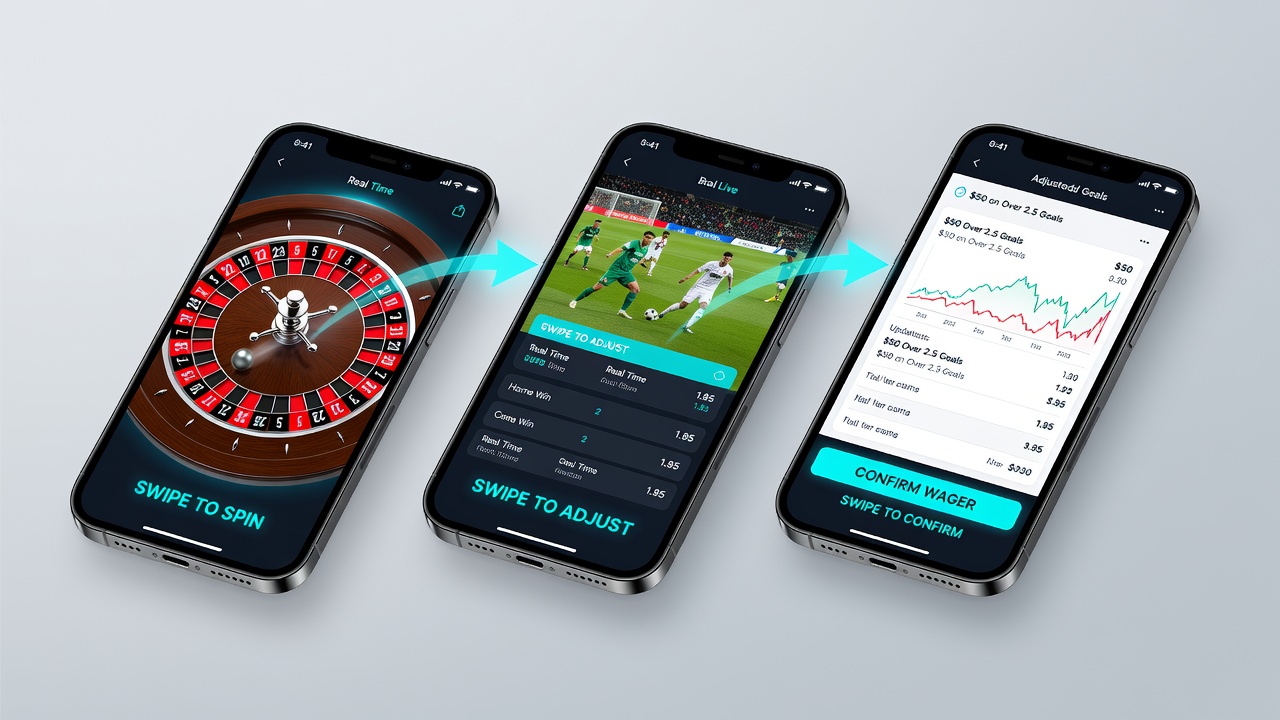
Analysts tracking mobile gaming applications have documented distinct swipe patterns that users apply when spinning roulette wheels, and these same gestures often appear moments later when bettors adjust wagers on live sports events within the same app ecosystem. Data collected across multiple platforms during August 2026 indicates that average session lengths involving both roulette and sports features have grown by noticeable margins, while navigation logs reveal frequent transitions between the two sections without full app exits.
Observed Interaction Patterns in Mixed Gaming Environments
Researchers examining user logs from major mobile operators note that horizontal swipes dominate roulette spin initiations, and vertical drags frequently follow when participants shift to sports betting dashboards to modify stake amounts or odds selections. These movements create measurable data trails that link the mechanical action of one game directly to decision points in another, according to aggregated analytics shared by platform developers. Observers note that sessions beginning with three or more roulette spins tend to include at least one sports wager adjustment within the subsequent five minutes, a sequence that repeats across demographic groups.
Data Sources and Measurement Methods
Application telemetry gathered through integrated tracking tools provides the primary evidence base, and figures from regional regulatory submissions show consistent cross-feature engagement rates. A report issued by the Nevada Gaming Control Board outlines how touch interaction timestamps align between table game modules and sportsbook interfaces. Similar patterns surface in datasets maintained by the Australian Gambling Research Centre, where swipe velocity metrics correlate with rapid bet modifications during live event windows.
Device heat mapping further illustrates concentrated finger activity along the lower third of screens during roulette play, and identical zones activate when users return to sports feeds to tweak parlay combinations or single-event spreads. These spatial consistencies suggest learned motor habits transfer across game types rather than resetting with each menu change.
Cross-Feature Navigation Trends Emerging in 2026
Platform updates rolled out earlier in the year introduced unified swipe controls that allow seamless movement between roulette wheels and live odds boards, and adoption metrics indicate rapid uptake among frequent users. Records from August 2026 demonstrate that accounts engaging in both vertical game categories display higher overall interaction density than those limited to single categories. Experts tracking these developments point to interface elements that preserve gesture continuity as a contributing factor in sustained multi-game sessions.
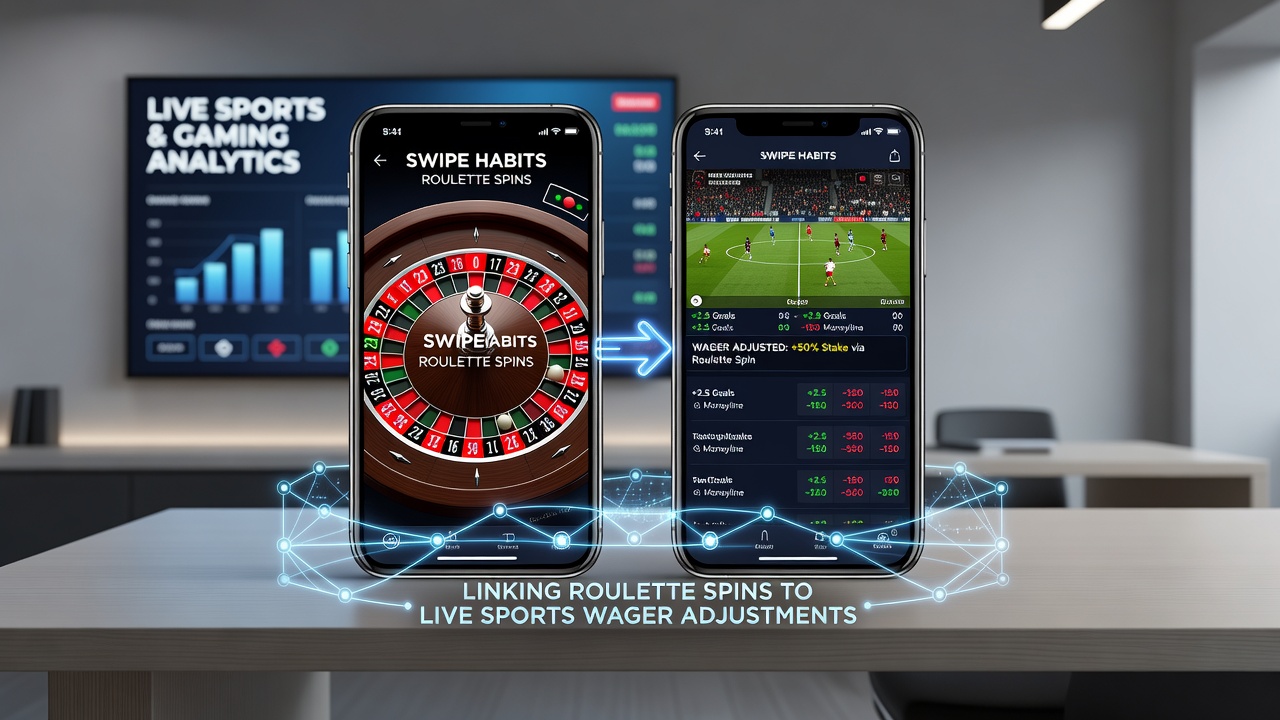
Case examples drawn from anonymized user cohorts reveal that individuals completing a roulette spin sequence often apply similar acceleration-based swipes when increasing or decreasing live sports stakes, particularly during high-volatility match moments. This behavioral overlap appears in both tablet and smartphone formats, although screen size influences the precision of final wager confirmations.
Regional Variations in Usage Data
North American operators report elevated crossover rates in states with integrated mobile licensing frameworks, whereas European markets show comparable but slightly delayed adoption curves tied to differing app distribution rules. Canadian provincial data compiled by the Ontario Lottery and Gaming Corporation aligns with these broader observations, confirming that swipe-linked transitions occur most reliably when both game modules remain active in background processes.
Academic reviews conducted at institutions studying digital interface design have begun cataloging these gesture transfers as examples of learned motor schemas, and preliminary findings suggest the patterns strengthen with repeated exposure rather than diminish. Such documentation supplies operators with concrete metrics for refining menu layouts and gesture recognition algorithms.
Implications for Platform Development and User Analytics
Developers incorporating predictive gesture modeling into their systems can anticipate when a roulette-focused user might next access sports adjustment tools, and early implementations already demonstrate reduced navigation friction. Aggregate statistics from August 2026 sessions highlight that apps employing continuous gesture tracking record shorter average transition times between the two feature sets. Industry groups such as the World Lottery Association have referenced these trends in technical briefings focused on mobile optimization strategies.
Payment and settlement logs further intersect with these interaction patterns because users who complete linked swipe sequences often finalize transactions across both roulette and sports segments within compressed timeframes. This clustering effect appears in transaction volume reports without requiring separate authentication steps in most modern implementations.
Conclusion
Comprehensive examination of swipe habits on mobile screens establishes clear linkages between roulette spin mechanics and live sports wager adjustments through consistent gesture reuse and navigation sequencing. Evidence compiled from regulatory submissions, academic reviews, and platform analytics during August 2026 underscores the measurable nature of these connections across varied markets and device types. Continued monitoring of these patterns supplies stakeholders with actionable insights into evolving user behaviors within integrated gaming environments.