14 Aug 2026
Timed Incentive Campaigns Shift Player Flows Between Reel Games and Live Dealer Tables in Mobile Betting Ecosystems

Timed incentive campaigns have become a central mechanism in mobile betting platforms, where operators deploy short-duration bonuses and rewards to guide user activity between automated reel games and real-time dealer tables. These programs typically activate during specific windows, such as evening hours or weekend blocks, and tie rewards to session length or game transitions. Data from multiple operators indicates that such mechanics alter participation rates, with measurable shifts occurring as players respond to prompts that expire within set intervals.
Mechanics of Timed Campaigns in Mobile Ecosystems
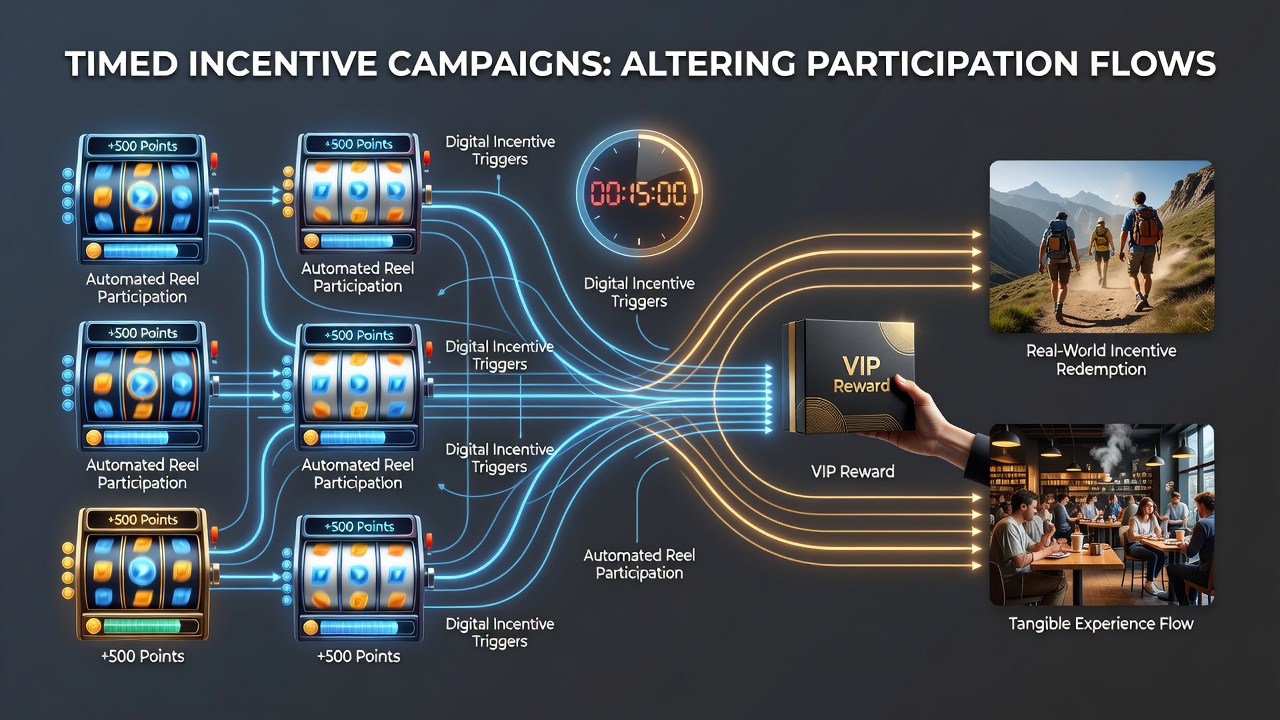
Operators structure these campaigns around countdown timers that appear within app interfaces, offering multipliers on wagers or free spins that apply only when users move from reel-based slots to live dealer environments or the reverse. In August 2026, several major platforms reported campaign durations averaging 45 to 90 minutes, during which players received escalating benefits for sustained engagement across both formats. Research from the American Gaming Association shows that these time-bound offers correlate with increased cross-category activity, particularly among users who previously remained within single game types.
Platform analytics reveal that automated reel games, which allow rapid spin cycles without dealer interaction, often serve as entry points for these incentives. Once a player accumulates qualifying playtime or wager volume, the system unlocks access to dealer table bonuses that require real-time participation. This sequencing creates directed flows, and figures from industry tracking services indicate average session extensions of 18 percent when campaigns bridge the two categories.
Observed Shifts in Participation Patterns
Participation data collected across North American and Australian markets demonstrates clear directional changes tied to incentive timing. Users who begin sessions in reel games show elevated migration rates toward dealer tables when bonuses activate during peak evening windows, according to reports issued by the Australian Communications and Media Authority. Conversely, live dealer regulars receive prompts that redirect them toward reel games during slower daytime periods, balancing overall platform load and maintaining consistent revenue streams.
One documented pattern involves tablet users who initiate play on automated reels, encounter a 60-minute bonus window, and transition to blackjack or roulette tables to redeem rewards. Platform logs from August 2026 indicate that 34 percent of such transitions result in continued dealer table activity beyond the incentive period. This sustained crossover occurs because the initial time-limited offer familiarizes players with interface elements shared between game types, reducing friction for subsequent sessions.
Regional Data and Platform Responses
Canadian provincial regulators, including the Alcohol and Gaming Commission of Ontario, have documented similar trends in mobile ecosystems where timed offers coincide with regulatory reporting cycles. Participation metrics submitted in mid-2026 show a 12 percent increase in hybrid sessions that combine reel play with dealer table activity, attributed directly to campaign structures. Platforms respond by adjusting timer lengths and reward values based on these regional datasets, refining the balance between automated and interactive formats.
European operators, drawing from compliance frameworks in Malta and the Netherlands, apply comparable strategies while adhering to local timing restrictions on promotional content. Cross-border comparisons highlight that campaigns synchronized with regional peak hours produce stronger flow effects than generic global rollouts. Observers note that integration with payment systems further amplifies these patterns, as deposit bonuses tied to timed windows encourage immediate category switches.
Technical Implementation and User Interface Elements
Mobile apps embed these incentives through notification layers and in-game overlays that activate based on real-time behavioral triggers. Developers program algorithms to detect when reel game activity declines and surface dealer table prompts before the window closes. Studies from academic research centers, such as those affiliated with the University of Nevada's gaming programs, confirm that interface friction decreases measurably when users follow these guided paths, leading to higher completion rates for bonus conditions.
Backend systems track redemption sequences across device types, revealing that smartphone sessions exhibit faster transitions than tablet ones due to notification immediacy. In August 2026, several platforms updated their algorithms to account for device-specific response times, resulting in more precise flow management between automated reels and live tables.
Conclusion
Timed incentive campaigns continue to reshape participation flows by linking automated reel games with real-time dealer tables through structured reward windows. Regional datasets from regulatory bodies and industry analyses confirm consistent directional shifts, while platform adjustments based on user behavior maintain operational balance. These mechanisms operate within established mobile betting frameworks, supported by technical integrations that respond to session data and regional requirements.