24 Jun 2026
Seasonal Weather Disruptions Prompting Strategy Tweaks in Hybrid Card and Athletic Wager Sessions on Portable Platforms
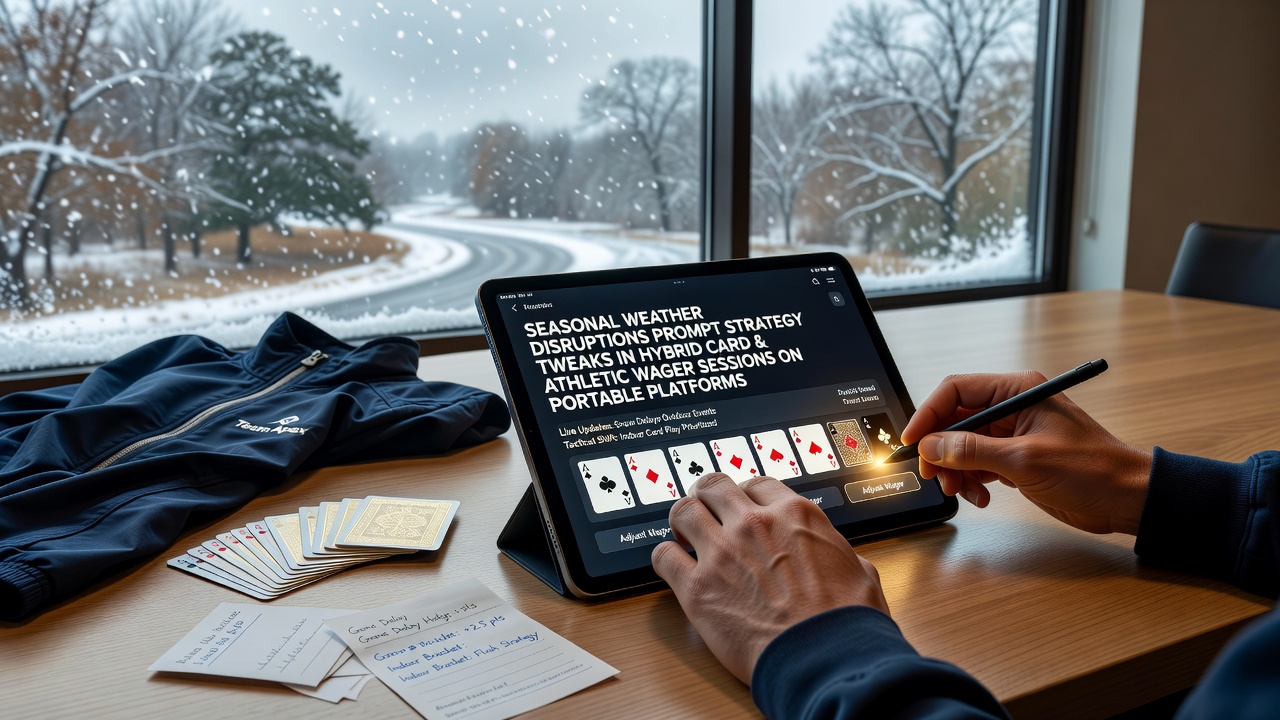
Seasonal weather patterns have long influenced outdoor sports schedules, yet their effects now extend directly into mobile gambling behaviors where users combine card games with athletic wagers on portable platforms. In June 2026 operators across multiple regions report noticeable shifts in session patterns as storms, heatwaves and sudden precipitation events disrupt network reliability and prompt users to adjust timing, stake sizes and game selection sequences.
Connectivity Challenges During Peak Weather Events
Data compiled by state regulatory bodies shows that mobile sessions involving both blackjack tables and live sports betting experience higher interruption rates when severe weather strikes transportation hubs or stadium venues. Users often begin a session with a few hands of cards while monitoring an upcoming match, then encounter signal drops that force quick decisions on whether to pause or migrate to offline-capable features. Researchers tracking usage logs note that these interruptions cluster around summer thunderstorm periods in the Midwest and hurricane season along the Gulf Coast, creating predictable windows where hybrid activity drops by measurable percentages.
Portable platform providers respond by rolling out temporary server-side adjustments that cache partial game states, allowing card rounds to continue briefly even when live odds feeds stall. Such measures help maintain continuity for players who treat the two wager types as linked parts of one extended session rather than separate activities.
Observed Adjustments in Player Timing and Stake Management
Industry reports from the Nevada Gaming Control Board and parallel agencies in other jurisdictions indicate that participants in hybrid sessions shorten their card segments during high-wind or heavy-rain forecasts while extending athletic wager windows once connectivity stabilizes. One analysis of tablet and smartphone logs from May through early June 2026 found average stake sizes on blackjack decreased 12 percent on days with National Weather Service alerts, whereas sports bet volumes held steadier because many events proceeded under covered venues. Observers note that users appear to treat card play as a buffer activity that can be paused without losing accumulated progress, whereas sports wagers tied to fixed start times receive priority once networks recover.
Regional Variations in Hybrid Session Behavior
Patterns differ by geography and typical seasonal threats. In areas facing prolonged summer heat, battery drain on portable devices accelerates during extended sessions, leading users to alternate shorter card bursts with sports checks rather than maintaining continuous hybrid flows. Canadian provincial data released in spring 2026 similarly recorded earlier session terminations on days when ice storms threatened satellite uplinks at northern sportsbooks, prompting participants to front-load athletic wagers before shifting to card-only modes. These location-specific responses highlight how weather type influences the order in which users sequence their hybrid activities.
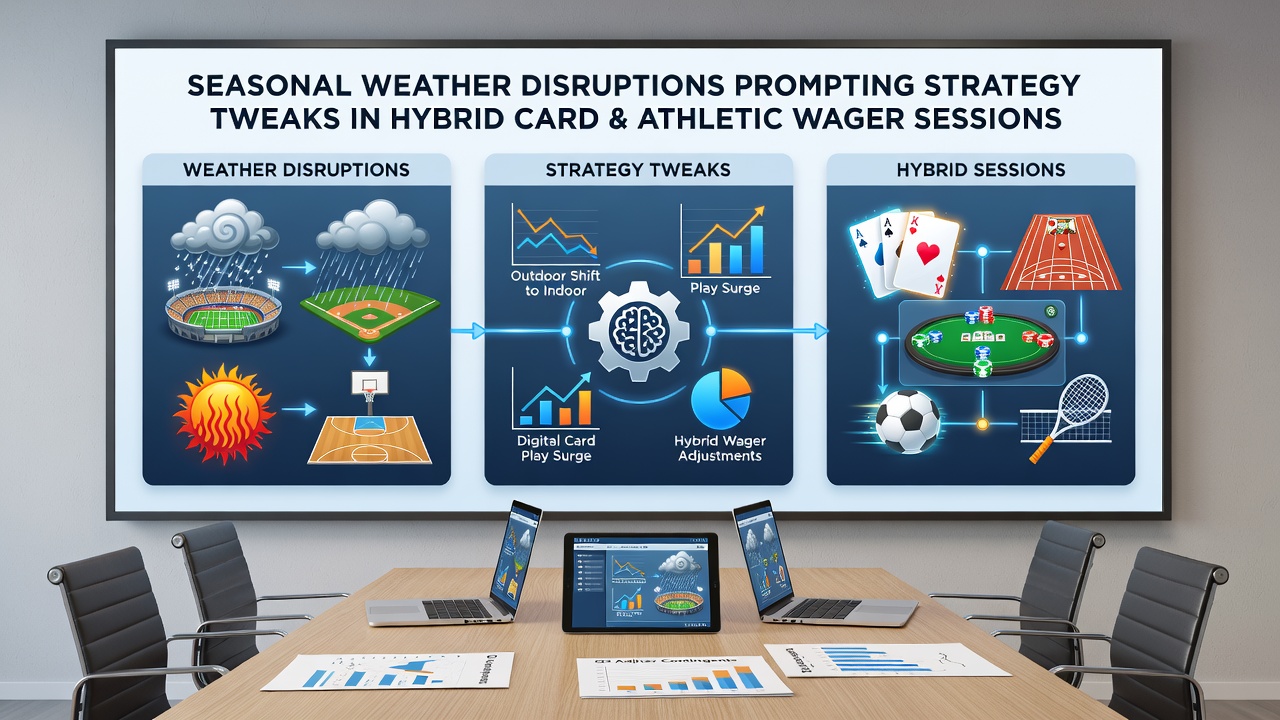
Platform Feature Adaptations and User Interface Changes
Application developers have introduced weather-alert overlays that appear alongside live odds and table interfaces, giving users immediate visibility into potential connectivity risks. According to usage statistics shared by several major operators, activation of these alerts correlates with increased switching between card and sports modules as participants attempt to complete at least one wager type before conditions worsen. Some platforms now offer simplified stake sliders that reduce decision time, helping sessions finish faster when users anticipate signal loss. These interface tweaks emerged after internal reviews of June 2025 disruption logs showed that complex multi-step betting sequences suffered the highest abandonment rates during storms.
Payment processing also sees minor seasonal recalibrations, with operators temporarily prioritizing cached deposit methods that require less real-time verification during network strain. Figures from regional transaction processors reveal a modest uptick in stored-value wallet usage on weather-alert days, suggesting players favor options that keep hybrid sessions moving without additional connectivity demands.
Longer-Term Planning Among Frequent Hybrid Users
Those who maintain regular hybrid routines increasingly consult extended forecasts when scheduling sessions that mix card play with athletic wagers. University-affiliated studies on digital gambling behavior document rising use of weather-integrated calendar tools that flag high-risk periods for mobile connectivity. Participants report pre-loading sports betting lines the evening before expected weather events, then using card games as filler during brief connectivity windows. Such planning reduces the impact of sudden disruptions without altering overall wager volumes across a full week.
Conclusion
Seasonal weather disruptions continue to shape how users structure hybrid card and athletic wager sessions on portable platforms, driving incremental changes in timing, stake sizing and feature prioritization. Regulatory data and platform metrics from early 2026 illustrate consistent responses across regions facing distinct climate challenges, while operators refine tools that help maintain session continuity. These adjustments reflect practical adaptations to environmental variables that affect mobile connectivity and event scheduling alike.