3 Aug 2026
Reward Mechanics Connecting Poker Tournament Entries to Roulette Spin Patterns on Smartphone Apps
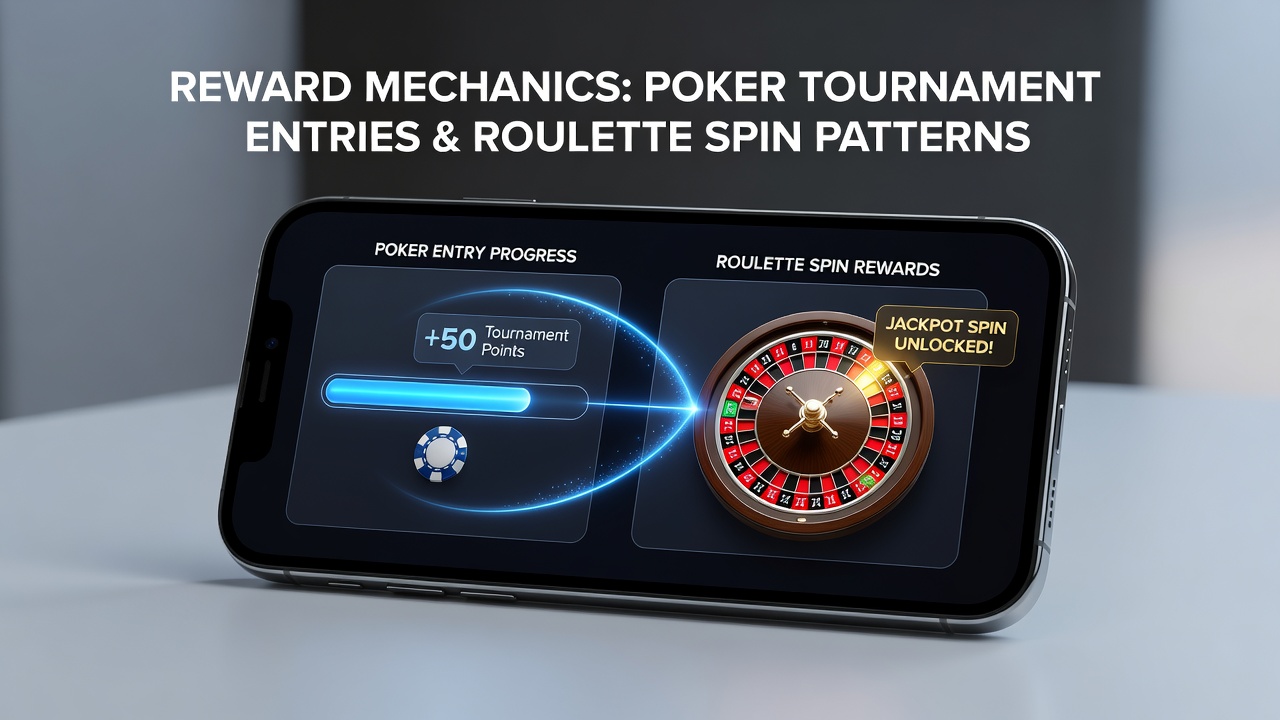
Smartphone applications in the gaming sector have developed reward systems that tie poker tournament participation directly to roulette spin mechanics, creating pathways where entry into one format generates specific pattern outcomes in the other. These integrations operate through coded algorithms that track tournament buy-ins and convert them into roulette wheel segments or result sequences available on the same mobile platform. Data from industry monitoring in August 2026 shows multiple apps deploying this linkage to maintain user engagement across table game formats without requiring separate account funding for each activity.
Core Components of the Linked Reward Structure
Apps implement the connection by assigning point values to poker tournament entries that unlock roulette spin modifiers, such as predetermined ball landing zones or multiplier sequences tied to hand rankings achieved during play. One developer documented in regulatory filings uses a system where a $50 tournament buy-in yields three roulette spins featuring patterns based on the player's final table position, while higher stakes correlate with extended spin sequences that include consecutive number clusters. Observers note these mechanics rely on random number generators calibrated to mirror standard roulette probabilities yet incorporate entry data as input variables for pattern selection.
Platform operators report that the linkage appears in both real-money and sweepstakes-style applications, with the latter converting tournament results into virtual credits redeemable for roulette spins that follow visual pattern themes like color streaks or sector groupings. Figures from state-level oversight bodies indicate adoption rates increased during the first half of 2026, particularly on devices running iOS and Android versions updated for cross-game data sharing. Researchers tracking app analytics have identified consistent use of server-side tracking to prevent pattern duplication across user sessions.
Technical Implementation Across Major Platforms
Developers integrate these mechanics through API connections that pull poker tournament data into the roulette module within seconds of entry confirmation. The process assigns each tournament participant a unique identifier that seeds the roulette outcome generator, producing spins whose visual patterns reflect elements such as suited card combinations or position-based multipliers. In practice, a player who registers for a multi-table event receives a dashboard notification offering immediate access to roulette spins whose result sequences incorporate the same random seed architecture used for poker dealing.
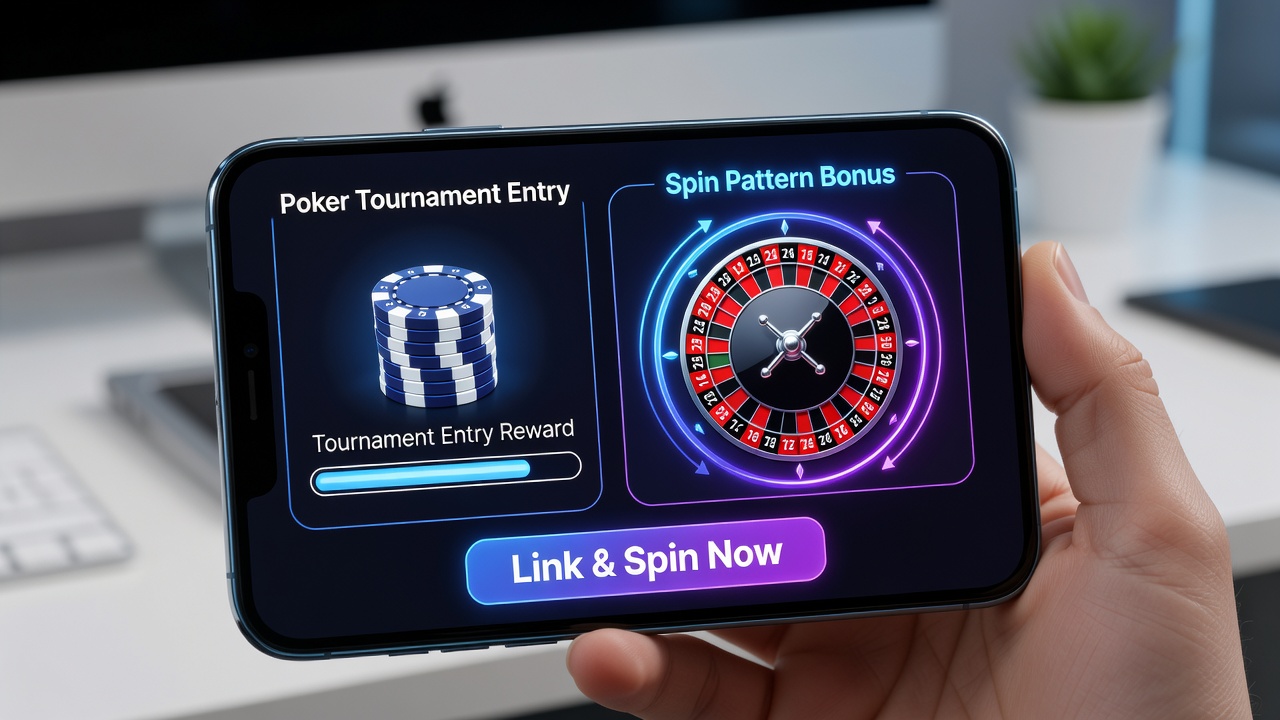
According to reports filed with the New Jersey Division of Gaming Enforcement, several licensed operators tested these systems in controlled releases before broader deployment in 2026. The testing phases measured how pattern-linked spins affected session duration compared with standalone roulette play, revealing measurable differences in user retention metrics. Additional documentation from the Australian Institute of Criminology gaming research division outlines similar mechanics observed in apps targeting international markets, where tournament entries feed into roulette features through localized currency conversions and compliance checks.
Player Progression and Pattern Utilization
Users accumulate reward eligibility by completing tournament milestones, after which the app surfaces roulette spin options whose patterns align with achieved results. For instance, reaching the money in a sit-and-go event may trigger spins that emphasize outer wheel segments, while final table appearances unlock inner wheel pattern access. These options display on the same interface as standard roulette, allowing seamless transition between formats without exiting the application.
Platform data collected through August 2026 demonstrates that players who engage with the linked spins often return to poker tournaments at higher frequencies than those using either game in isolation. The pattern mechanics serve as a bridge that keeps both formats active within single sessions, supported by push notifications that highlight available spins derived from recent tournament activity. Technical logs indicate the underlying code maintains separation between real-money poker funds and roulette credit balances even when patterns cross over.
Regulatory Considerations in Multiple Jurisdictions
State and provincial regulators have begun reviewing these integrated systems to ensure compliance with existing rules on game fairness and data transparency. In regions where mobile gaming licenses require detailed reporting of random outcome generators, operators must document how poker entry data influences roulette pattern selection without altering base probabilities. Compliance filings submitted in 2026 describe audit trails that record every linked spin alongside its originating tournament entry for verification purposes.
Industry associations have compiled case examples showing how different apps structure the reward flow, with some limiting pattern access to specific tournament tiers while others extend eligibility across all entry levels. These variations reflect differing interpretations of promotional mechanics under local statutes, yet maintain core requirements for independent testing of the random elements involved.
Conclusion
The linkage between poker tournament entries and roulette spin patterns on smartphone apps represents a technical development that combines two table game formats through shared reward pathways. Implementation relies on identifier-based seeding and API data transfer, supported by regulatory oversight in active markets. Continued monitoring through late 2026 will determine how these mechanics evolve under updated compliance standards and platform updates.