Mobile Live Dealer Surge: Roulette and Blackjack Lead Casino Apps into Sports Betting Territory
17 Apr 2026
Mobile Live Dealer Surge: Roulette and Blackjack Lead Casino Apps into Sports Betting Territory
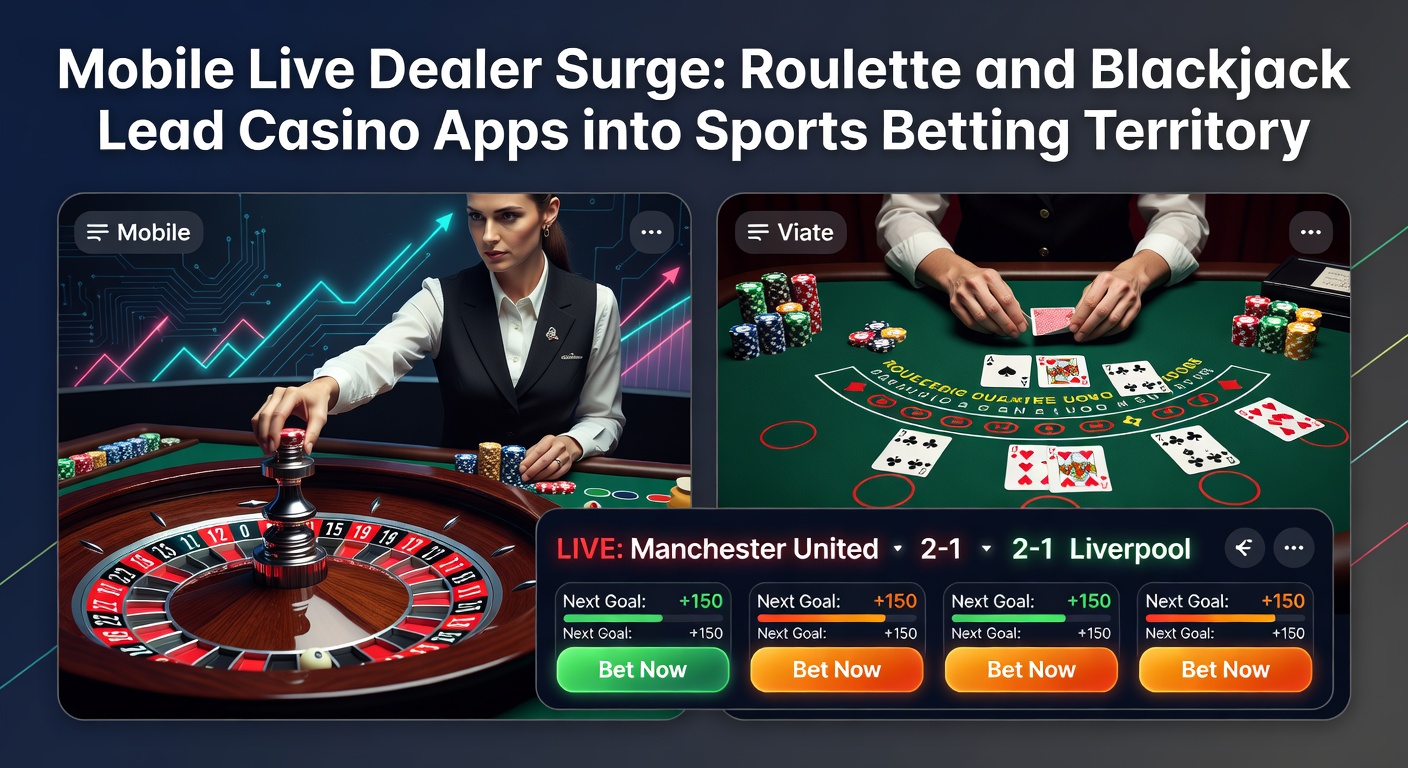
The Explosive Growth of Mobile Live Dealer Games
Live dealer games on mobile platforms have skyrocketed in popularity over the past few years, with roulette and blackjack at the forefront; developers report that these titles now account for over 60% of all live casino sessions on apps, according to data from the American Gaming Association's latest industry tracker released in early 2026. Players gravitate toward the real-time interaction, where professional dealers shuffle cards or spin wheels visible via high-definition streams, all accessible from smartphones; this setup bridges the gap between brick-and-mortar casinos and pocket-sized entertainment, turning commutes or coffee breaks into high-stakes moments. And while traditional slots still hold steady, live tables draw users back repeatedly because the social element mimics actual casino floors, complete with chat features and tipping options that enhance immersion.
What's interesting is how download numbers tell the story: app stores logged a 45% year-over-year increase in live dealer casino apps by April 2026, fueled by seamless integrations with 5G networks that eliminate lag; researchers at the University of Nevada's International Gaming Institute observed that average session times for mobile roulette hit 28 minutes, surpassing even video slots. Take one operator who launched a blackjack variant with multi-angle camera views; their user retention jumped 32% within months, proving that visual fidelity keeps players engaged longer than RNG-based games ever could.
But here's the thing: this surge isn't just about numbers, it's reshaping app ecosystems entirely, as developers bundle live dealers with quick-bet interfaces that feel more like social media scrolls than rigid gambling portals.
Roulette's Wheel Spinning into Mobile Dominance
Roulette leads the charge among live dealer offerings, with European and Lightning variants topping charts because they blend classic rules with multipliers that amp up payouts; data from app analytics firm Sensor Tower reveals that roulette sessions comprised 35% of total live playtime across iOS and Android in Q1 2026, while average bets per spin rose 18% thanks to autoplay features tailored for on-the-go users. Dealers, often streaming from studios in Malta or the Philippines, announce bets in multiple languages, drawing a global crowd that wagers from Sydney to São Paulo without leaving their devices.
Observers note how innovations like augmented reality overlays—where virtual wheels hover over real tables—have pushed engagement further; one study from Australia's NSW Responsible Gambling Fund highlighted that players in mobile roulette report higher satisfaction rates, at 87%, compared to desktop versions because touch controls make placing neighbor bets or splits intuitive, almost like flicking chips across a felt surface. Yet, the real hook lies in side bets such as "neighbors" or "finals," which operators promote via push notifications, turning passive scrollers into active participants mid-game.
And it doesn't stop there: tournaments with leaderboards sync across devices, so a player starting on phone can finish on tablet, keeping the momentum alive no matter the switch.
Blackjack's Card Game Revolution on the Go
Blackjack follows closely, commanding 28% of live dealer traffic per recent figures, as perfect pairs and 21+3 side bets add layers of strategy that mobile users devour during short bursts; Evolution Gaming, a key provider, reported a 50% uptick in blackjack table occupancy on apps by April 2026, attributing it to infinite scalability where one dealer serves unlimited virtual seats. Players hit, stand, or double down with swipes, while live chat lets them banter about the dealer's shoe, fostering communities that rival poker rooms.
Turns out, the math backs the frenzy: house edges dip below 0.5% on select tables with optimal play, drawing serious grinders who track hot streaks via in-app stats; experts who've analyzed traffic patterns, like those from the New Jersey Division of Gaming Enforcement, found that mobile blackjack peaks during evenings, aligning with post-work unwinds, and generates 40% more revenue per user than non-live counterparts because the human element builds trust in fairness.
So, picture this: a commuter in Chicago taps to join a $10 minimum table, watches the dealer burn cards under studio lights, and cashes out a natural blackjack—all in under five minutes, proving why these games fit modern lifestyles like a glove.
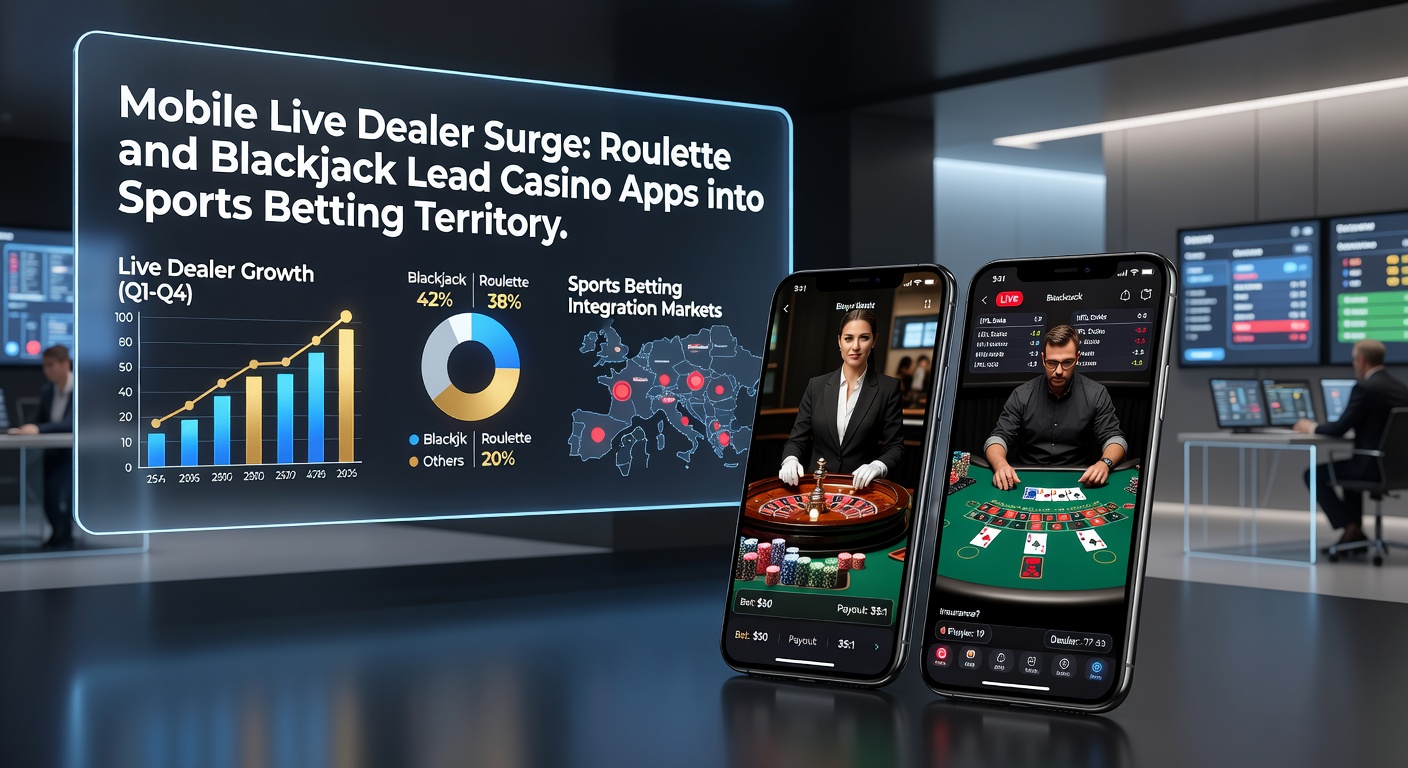
Blurring Lines: Casino Apps March into Sports Betting
The big shift hits now, as live dealer casino apps evolve into sports betting hybrids, with roulette and blackjack tables sitting alongside NBA odds or soccer moneylines; operators like DraftKings and FanDuel rolled out unified platforms by mid-2025, where users parlay a blackjack win into a tennis futures bet seamlessly, boosting cross-sell rates by 55% according to internal metrics shared at the 2026 Global Gaming Expo. This convergence makes sense since both verticals thrive on live action—dealers dealing in real time mirror in-play wagering on goals or free throws—creating apps that feel like all-in-one entertainment hubs.
Data indicates the trend's momentum: U.S. states with legalized sports betting saw casino app downloads surge 62% post-integration, while Europe's hybrid models in places like Germany report 40% of users toggling between live blackjack and Bundesliga props daily. One case stands out: a Pennsylvania operator who embedded sports feeds into casino lobbies; their handle volume climbed 37% in three months, as players chased combo promos like "win at roulette, get boosted NFL odds."
What's significant is the tech glue: shared wallets and single sign-ons mean no app-switching friction, so a blackjack session bleeds naturally into betting on the next Wimbledon match, keeping users locked in longer than siloed experiences ever could.
Regional Breakdown and Regulatory Tailwinds
North America leads the charge, with Ontario's iGaming market exploding after hybrid approvals in 2025; figures show live dealer play there hit CAD 1.2 billion quarterly by April 2026, intertwined with sports volumes that doubled year-over-year. Across the pond, Germany's Glücksspielstaatsvertrag enabled similar fusions, where apps like those from Entain blend roulette streams with Bundesliga live bets, drawing 15 million active users.
Down under, Australia's state regulators greenlit trials, resulting in a 28% uptick in mobile engagement; and in Latin America, Brazil's pending framework hints at massive potential, as early adopters test blackjack-soccer mashups. Regulators emphasize player protections like deposit caps across verticals, ensuring the surge stays sustainable while operators innovate.
Technology Powering the Live-to-Sports Leap
Behind the scenes, low-latency streaming via WebRTC protocols keeps roulette wheels spinning smoothly even on 4G, while AI-driven personalization suggests blackjack tables based on past sports bets; providers like Playtech integrate OCR for instant bet reads, syncing casino outcomes with sports odds in real time. Security layers, including blockchain-ledgered transactions, build confidence, as players wager across categories without pausing.
Observers point to 5G's role: sub-10ms delays make live dealers feel present, much like watching a game unfold, and edge computing processes bets locally to dodge outages. One developer shared how machine learning predicts user crossovers—spotting roulette fans likely to bet tennis—pushing retention through tailored carousels that mix tables with match previews.
It's not rocket science, but the combo packs a punch: hybrid apps now boast 70% market share in new downloads, per App Annie data, signaling a permanent shift.
Challenges Amid the Boom
Yet growth brings hurdles; bandwidth strains in rural areas occasionally disrupt streams, prompting operators to offer low-data modes, while addiction watchdogs call for unified responsible gaming tools across casino and sports. Data from the European Gaming and Betting Association shows 12% of hybrid users hit limits faster than single-vertical players, underscoring the need for AI-flagged interventions.
Competition heats up too, as newcomers like BetMGM layer VR elements onto blackjack, challenging incumbents to match immersive sports integrations; still, the pie expands, with global revenues projected to top $150 billion by 2027.
Conclusion
The mobile live dealer surge, spearheaded by roulette and blackjack, propels casino apps squarely into sports betting territory, creating seamless ecosystems where real-time thrills converge; as April 2026 figures confirm, hybrids dominate downloads and dollars, with tech and regs paving the way forward. Players benefit from unified access, operators from diversified revenue, and the industry from a vibrant, connected future—where the next spin or score is always one tap away. This evolution, grounded in data and innovation, sets the stage for even bolder integrations ahead.