5 Jun 2026
Interface Design Elements Driving Shifts Between Live Dealer Blackjack and Sportsbook Features on Mobile Devices
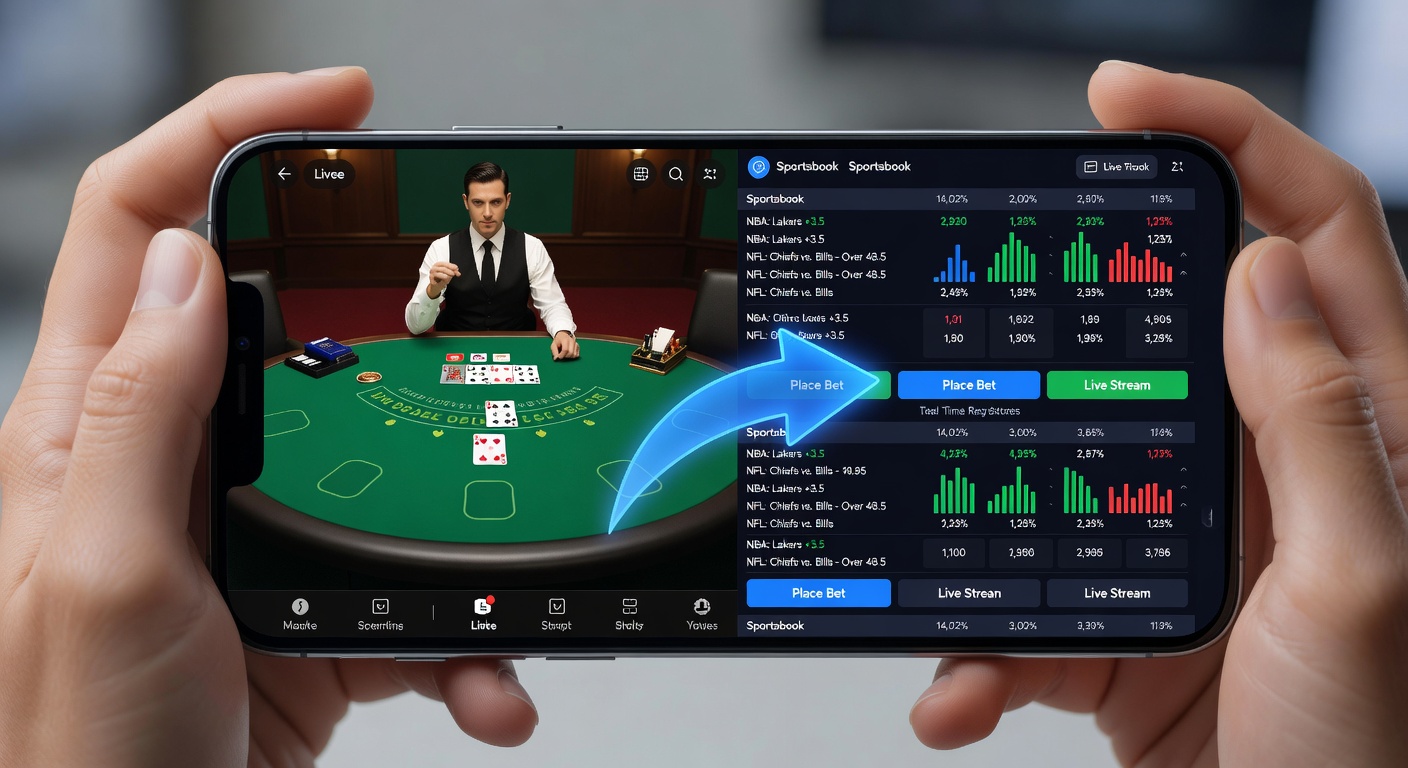
Design choices in mobile applications have created pathways that allow players to move between live dealer blackjack sessions and sportsbook sections without leaving the same platform, and these patterns have become more pronounced in recent industry data. Unified account systems, persistent navigation bars, and gesture-based controls connect the two experiences in ways that reduce friction during session changes, while integrated balance displays and contextual prompts encourage exploration of adjacent features. Observers note that such elements operate across major operators in multiple jurisdictions, including those regulated under the Nevada Gaming Control Board framework.
Navigation Structures That Reduce Switching Costs
Bottom tab bars and swipeable panels keep both blackjack tables and sports odds within one or two gestures, and this layout has coincided with measurable increases in cross-feature activity according to platform analytics shared at industry conferences in early 2026. Persistent headers display remaining chip counts alongside available sports wagers, so users see opportunities in both areas simultaneously rather than through separate logins. Developers have refined these structures so that returning to a paused blackjack hand requires only a single tap after viewing a live game feed, while the same motion opens prop bets on ongoing matches in the sportsbook area. Data indicates these patterns hold steady across Android and iOS versions released before June 2026.
Wallet Integration and Balance Visibility
Single-wallet architectures display one balance usable for both table stakes and sports wagers, eliminating the need to transfer funds between sections, and researchers tracking user flows have recorded higher rates of feature exploration when this visibility remains constant. Color-coded balance indicators update in real time during live dealer rounds, then carry the same figure into sportsbook markets without additional confirmation screens. Those who have examined session logs report that players who maintain continuous balance views tend to check sports lines during natural pauses in blackjack play, such as between hands or while waiting for dealer shuffles. External payment processors have aligned their APIs with these unified displays, further smoothing movement between the two verticals.
Notification Systems and Contextual Prompts
In-app alerts triggered by live game events can surface alongside sports betting opportunities, and operators have calibrated these messages to appear at moments when blackjack action slows. A dealer shuffle notification might include a compact odds strip for an in-progress match, allowing immediate access without closing the table window. Studies from academic gaming research groups in Australia have documented that such combined prompts increase the likelihood of brief visits to sportsbook markets during extended blackjack sessions. Timing algorithms adjust frequency based on individual play history, reducing repetition while maintaining relevance across handheld sessions that span multiple hours.
Gesture Controls and Multi-Tasking Layers
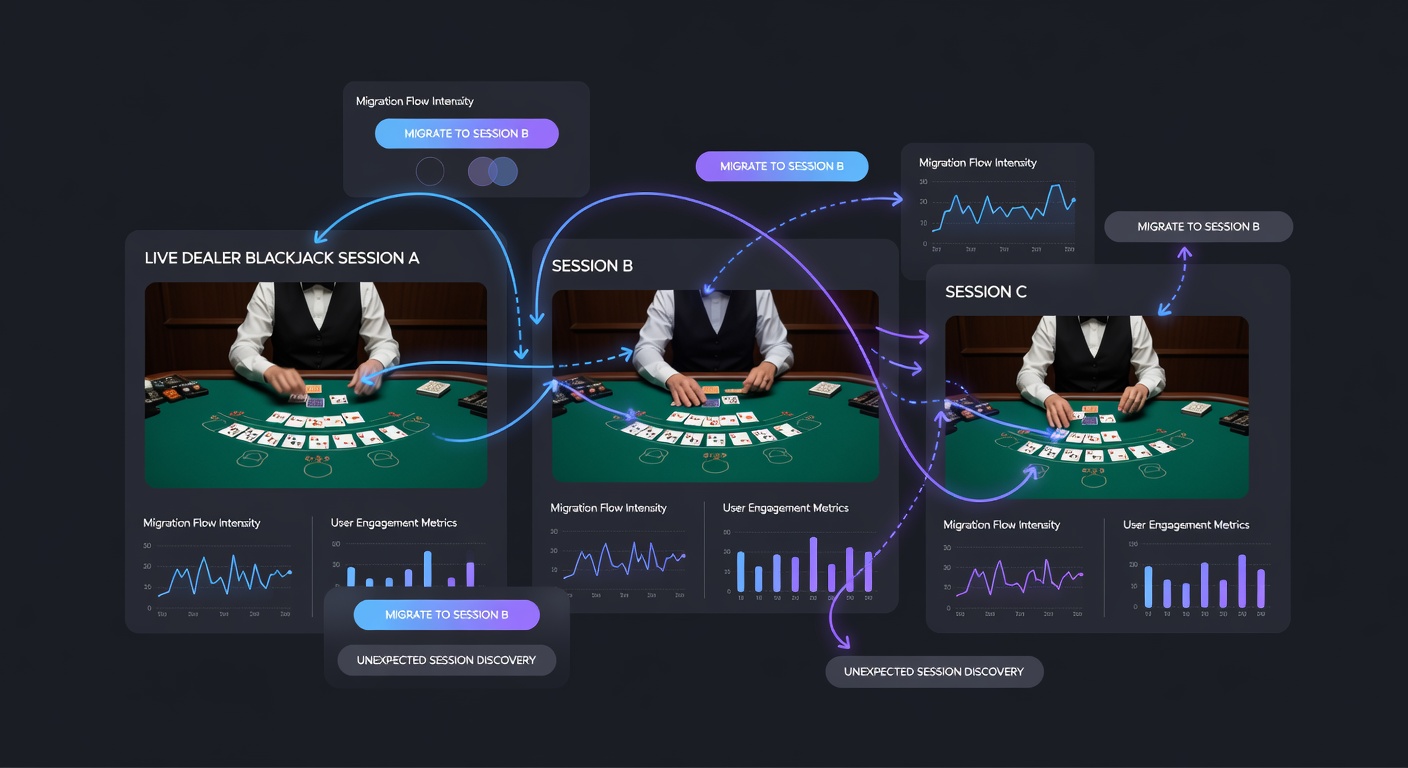
Swipe gestures that collapse the dealer video feed into a corner window leave room for sportsbook overlays, and this layering technique lets players monitor both activities without full screen changes. Pinch-to-zoom functions on card layouts coexist with tap zones that open betting slips for nearby sporting events, creating parallel interaction paths on the same device viewport. Platform telemetry collected through June 2026 shows consistent usage of these layered views among users who begin sessions in either blackjack or sports sections. Hardware acceleration improvements in recent chipset releases have made these simultaneous displays smoother, supporting longer periods of divided attention.
Cross-Feature Progress Indicators
Progress bars and achievement trackers span both verticals, awarding status for completing blackjack hands and placing sports wagers within the same login period, and this shared progression system appears in multiple applications released after 2025. Visual meters display combined activity levels, encouraging continued movement between sections to maintain momentum toward milestones. Interface designers have placed these indicators in non-intrusive header positions so they remain visible during live dealer interactions without obscuring card or betting details. Figures from North American operator reports reveal elevated completion rates for multi-feature challenges compared with single-vertical equivalents.
Conclusion
Interface elements such as unified navigation, persistent balances, contextual notifications, gesture layering, and shared progress systems have aligned to support fluid movement between live dealer blackjack and sportsbook features on handheld devices. Regulatory records from the Nevada Gaming Control Board and parallel findings from Australian research institutions confirm these design patterns operate within licensed environments and correspond with observed shifts in session behavior through mid-2026. Continued refinement of these components will likely sustain the documented connectivity between the two offerings on mobile platforms.