19 Aug 2026
Interface Adjustments in Mobile Apps Connecting Digital Payment Choices with Sports Event Options via Incentive Mechanisms
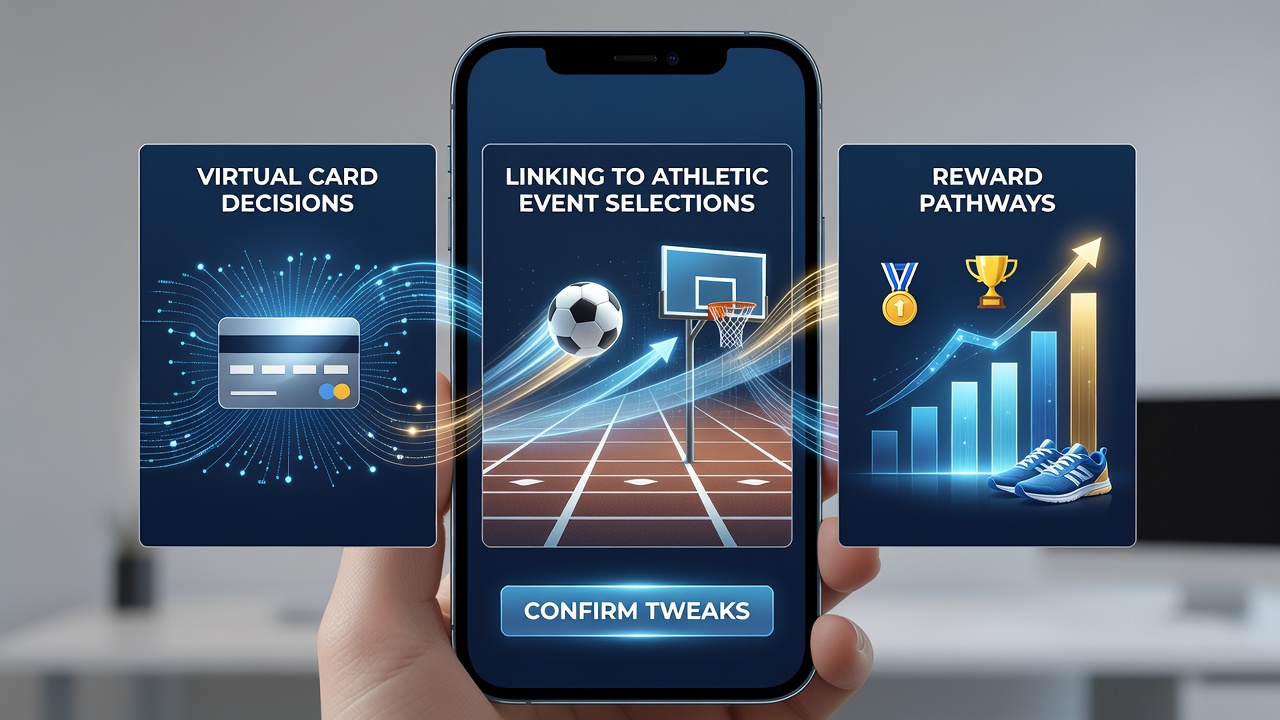
Developers have refined smartphone layouts in recent years so that selections involving virtual cards appear alongside prompts for athletic events, and these adjustments draw on established patterns in how users respond to structured incentives. Data from multiple studies indicate that small changes in button placement, color coding, and notification timing can shift the sequence in which people handle payment methods before moving to event browsing. Researchers at institutions across North America and Europe have tracked these patterns through controlled app trials conducted between 2024 and 2026.
Core Design Elements at Work
Virtual card interfaces often feature simplified verification steps that reduce the number of taps required, and athletic event sections sit immediately after those steps in the same flow. When reward indicators such as progress bars or point accumulators activate right after a card choice, users tend to continue into event listings without returning to the home screen. Observers note that this arrangement appears in banking and ticketing applications released or updated during the first half of 2026.
Color contrast and animation speed also play measurable roles. Applications that apply a brief highlight to reward counters after card confirmation record higher continuation rates into sports calendars compared with versions lacking the highlight. Figures released by the Canadian Institute for Behavioural Research in March 2026 showed a 14 percent increase in such continuations across test groups exposed to the adjusted timing.
Behavioral Data and User Pathways
Studies conducted by university teams in Australia and Singapore have examined how reward pathways operate within these combined interfaces. Participants who received immediate visual feedback after selecting a virtual card for a purchase moved more readily to athletic event filters, such as league schedules or seat maps. The same trials found that removing the feedback reduced the likelihood of that movement by measurable margins.
August 2026 updates to several major mobile platforms incorporated additional micro-interactions at these junctions. One documented change involved a short loading animation that displayed accumulated points before revealing event recommendations. App analytics shared by participating developers indicated that session lengths extended by an average of 22 seconds when the animation remained in place.
Regional Implementation Patterns
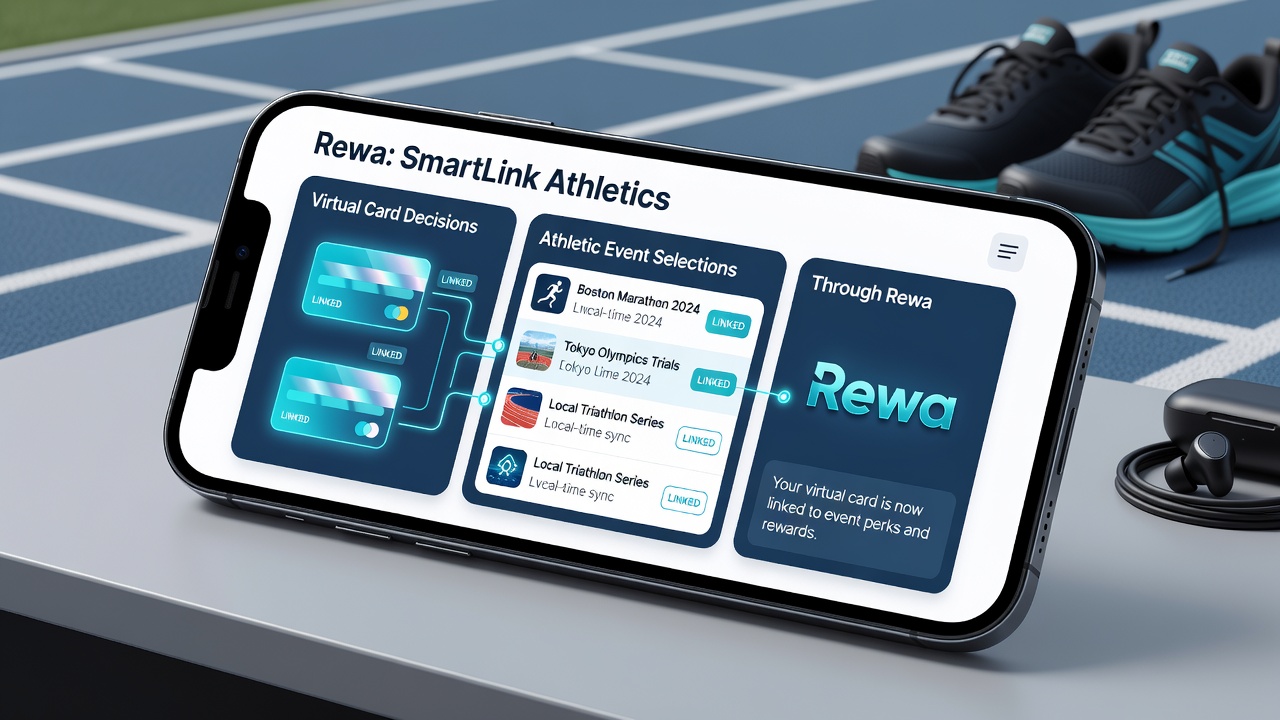
European developers have applied similar structures in apps that manage both digital wallets and live event access. Reports from the European Mobile Payments Association detail how reward counters appear in the same panel as upcoming match selections, encouraging users to review both elements within a single interaction sequence. Data collected through 2025 and into mid-2026 show consistent ordering effects across different language versions of the same applications.
In North American markets, integration often occurs through partnerships between financial service providers and sports organizations. When a virtual card transaction completes, the interface surfaces a condensed list of local athletic fixtures that align with user location data. The National Institute of Digital Economy in the United States recorded that these lists receive clicks from roughly one in five users who had just completed a card action, according to aggregated logs from early 2026.
Measurement of Continuation Rates
Analytics platforms track the percentage of users who advance from virtual card screens to event selectors within the same session. Metrics compiled in 2026 indicate that interfaces employing layered reward displays maintain higher continuation percentages than those relying solely on static menus. Developers adjust the frequency of reward notifications based on these percentages, testing variations that either consolidate or separate the two activity types.
One study released by a research group at the University of Melbourne examined tablet and phone versions side by side. The phone interfaces, which present narrower screen real estate, showed stronger effects from reward pathway cues because fewer competing elements could appear simultaneously. Continuation rates differed by device type, yet the directional influence remained consistent.
Conclusion
Smartphone interface refinements continue to shape the order in which users encounter virtual card functions and athletic event options. Evidence gathered through 2026 demonstrates that reward indicators placed at transition points correlate with measurable shifts in navigation sequences. Organizations monitoring these trends include regulatory bodies and academic centers that publish periodic summaries of observed patterns, providing developers with data to refine layouts further while maintaining compliance with regional accessibility standards.