19 Jun 2026
How Data Tracking Tools in Hybrid Apps Are Reshaping Player Choices Between Digital Poker Tournaments and Seasonal Sports Event Wagers
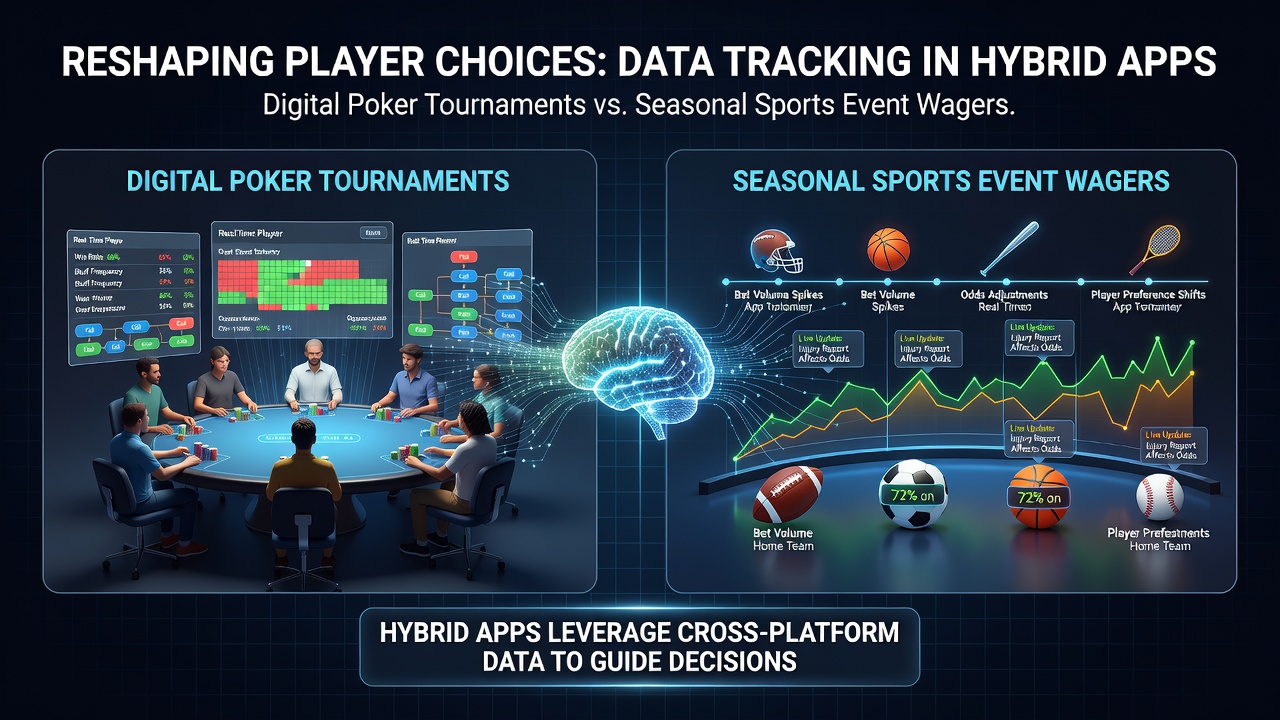
Hybrid apps that combine digital poker tournaments with seasonal sports event wagers have integrated data tracking tools to monitor user activity across both offerings, and these systems collect metrics on session duration, bet frequency, and game preferences while adjusting recommendations in real time. Developers deploy algorithms that analyze historical interactions to suggest tournament entries during periods of high engagement with skill-based formats or to highlight upcoming wagers when seasonal leagues reach peak activity. According to reports from the American Gaming Association, such integrations have expanded across mobile platforms since early 2025 with measurable effects on how users allocate their time and funds between the two categories.
Data Collection Mechanisms in Hybrid Environments
Tracking tools log entry points such as app launch times, navigation paths between poker lobbies and sports betting sections, plus response rates to push notifications about specific events. These systems record variables like average stake sizes in Texas Hold'em tournaments versus live odds adjustments during baseball games in June 2026, and they correlate those figures with external factors including time of day and device type. Industry observers note that operators apply this information to refine in-app prompts, directing attention toward formats that match detected patterns without requiring manual searches from the user.
Behavioral Pattern Analysis
One study from researchers at the University of Nevada, Las Vegas examined anonymized datasets from hybrid platforms and found that players who completed multiple short poker sessions often received increased prompts for daily fantasy-style sports wagers during overlapping seasons. The analysis showed correlations between rapid decision cycles in card games and quicker acceptance of live betting options, while longer tournament participants tended toward pre-match accumulators. Data points gathered in May and June 2026 indicated shifts where users moved between categories within single sessions at rates 18 percent higher than in standalone apps.
Seasonal elements play a distinct role because major leagues generate concentrated activity windows, and tracking software flags when users who typically favor poker begin exploring sports sections around events like the MLB All-Star break. Algorithms adjust visibility of features accordingly, surfacing poker sit-and-gos when sports calendars show gaps and elevating wager markets when tournaments have fewer scheduled starts.
Impact on Player Allocation Decisions
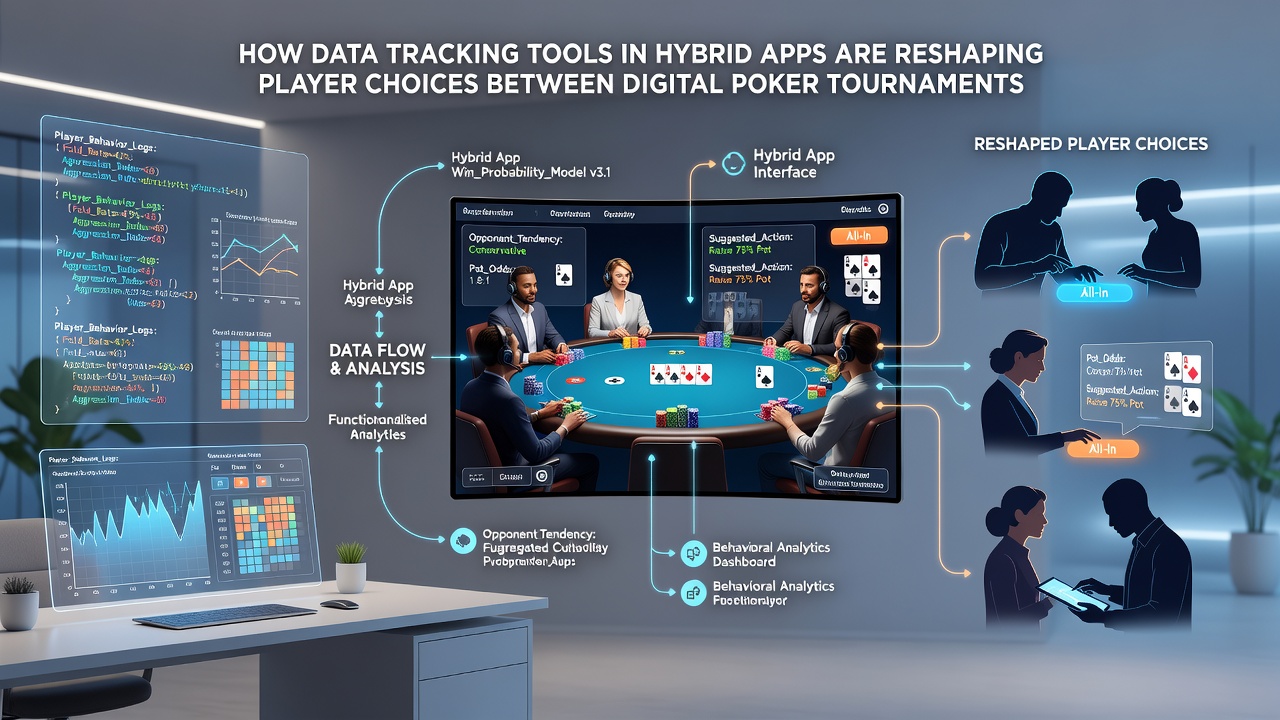
Personalized interfaces generated through these tools present side-by-side comparisons of expected value across poker buy-ins and sports spreads, and users encounter these displays after the system identifies cross-category tendencies from prior weeks. Figures released by iGaming Ontario reveal that hybrid app sessions involving both poker and sports elements increased by 12 percent between April and June 2026 compared with the same period in 2025. The data further indicates that players exposed to sequenced recommendations completed transfers between tournament registration and event wagering at higher frequencies than those using separate applications.
Take one operator that adjusted notification timing based on tracked idle periods: when data showed extended time in poker lobbies without new entries, the app surfaced upcoming soccer or baseball markets to users who had previously engaged with similar events. This approach produced documented upticks in cross-feature navigation according to internal metrics shared with regulatory bodies in multiple jurisdictions.
Seasonal Timing and Tournament Overlaps
June 2026 presented overlapping schedules with ongoing baseball seasons and scheduled poker series on major platforms, creating opportunities for tracking tools to compare engagement metrics across both verticals. Systems identified users who alternated between formats during these weeks and applied retention mechanics such as loyalty multipliers that activated after activity in the secondary category. Observers from the Canadian Gaming Association have documented similar patterns in provincial markets where hybrid apps gained users from single-focus platforms.
Additional variables tracked include deposit timing relative to event starts and withdrawal patterns following tournament finishes versus wager settlements. These elements feed into models that predict when individuals might reduce activity in one area and increase it in another, allowing operators to maintain overall session lengths through targeted content delivery.
Regulatory and Technical Considerations
Authorities in several regions require disclosure of data usage practices within hybrid apps, and compliance reports submitted in the first half of 2026 included details on how behavioral tracking influences feature prioritization. Technical standards from organizations such as the Remote Gambling Association emphasize secure handling of player data while permitting the analytical functions that drive these recommendation engines. Platforms continue to update consent flows to align with evolving requirements without disrupting the core tracking capabilities.
Conclusion
Data tracking tools within hybrid apps continue to influence how participants distribute activity between digital poker tournaments and seasonal sports event wagers through continuous analysis of behavior and contextual timing. Records from June 2026 demonstrate ongoing adjustments in user navigation patterns as these systems refine their outputs based on accumulated information. The integration of such tools across platforms reflects broader developments in mobile gaming infrastructure where cross-category data informs operational decisions at scale.