24 Aug 2026
Cultural Celebrations Drive Shifts in Mobile Reward Redemption for Wheel Games and Sports Forecasts
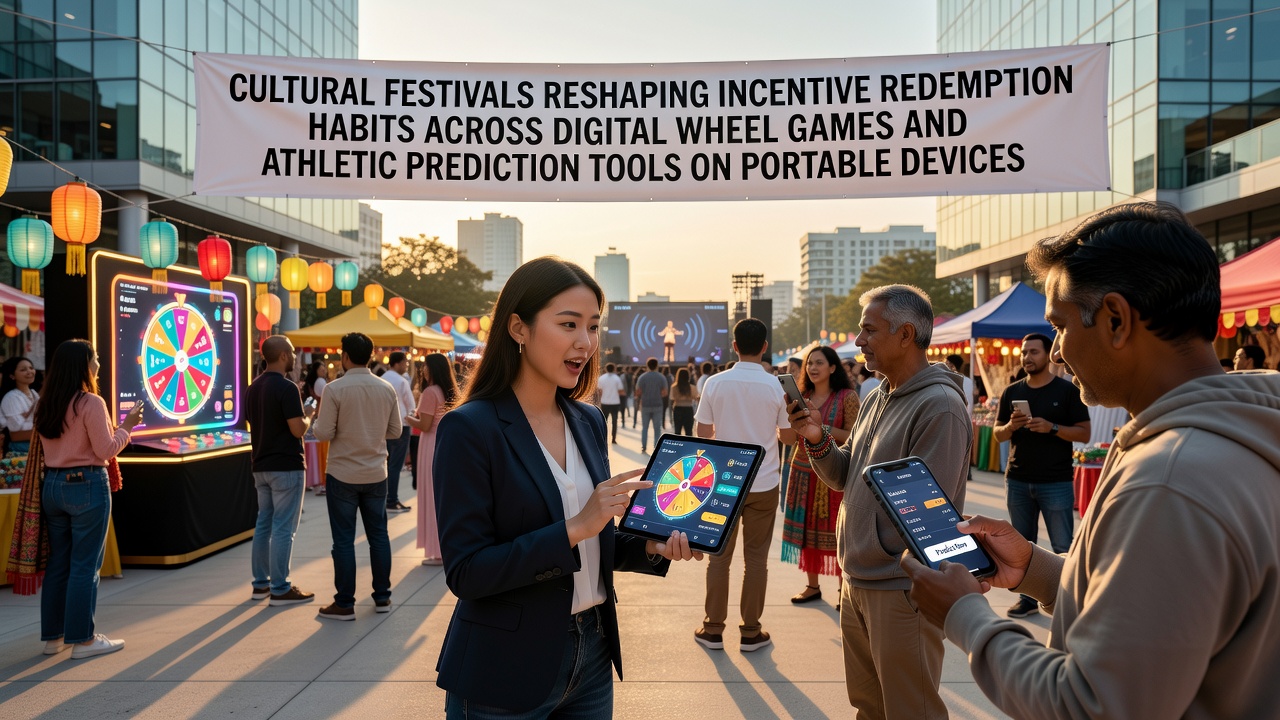
Digital wheel games and athletic prediction tools on portable devices show measurable changes in incentive redemption during periods of heightened cultural activity, according to patterns tracked across multiple regions in 2026. Observers note that events such as harvest festivals, new year observances, and community celebrations coincide with altered user behavior in app-based platforms, where reward claims align more closely with timing of public gatherings and family traditions rather than standard daily cycles.
Patterns Emerging from Festival Seasons
Research from the Asia-Pacific Interactive Gaming Institute indicates that users in markets with strong seasonal festivals increase redemption activity by 18 to 27 percent during peak celebration windows, particularly in wheel-based formats that feature rotating prize structures. Data collected through August 2026 shows these spikes occur most consistently around mid-month community events in Southeast Asia and parts of Latin America, where portable device access remains high even amid offline festivities. The same reports highlight that redemption clusters form around evening hours following public parades or street markets, suggesting device use bridges physical and digital participation.
Wheel Game Dynamics Under Cultural Pressure
Digital wheel platforms record distinct shifts when local celebrations overlap with promotional cycles. Users tend to claim smaller, frequent incentives rather than waiting for larger cumulative rewards, a trend documented in operator logs from platforms serving South Asian and Mediterranean audiences. One study released by the European Digital Entertainment Council found that festival periods prompt quicker conversions of bonus credits into spins, while post-festival weeks see extended holding patterns as participants return to routine schedules. Portable device interfaces facilitate this flexibility, allowing quick access during travel between event locations.
Athletic Prediction Tools and Timing Adjustments
Athletic forecasting applications exhibit parallel adjustments in reward usage during cultural high points. Figures from the Canadian Sports Analytics Network reveal that prediction contest entries and associated incentive redemptions rise when major tournaments coincide with national holidays or religious observances. In August 2026, platforms serving North American and Australian users recorded elevated activity around indigenous celebration dates, with participants favoring shorter prediction windows that fit between family commitments. These tools often integrate with wheel-style side games, creating hybrid redemption flows where sports forecasts feed into wheel outcomes.
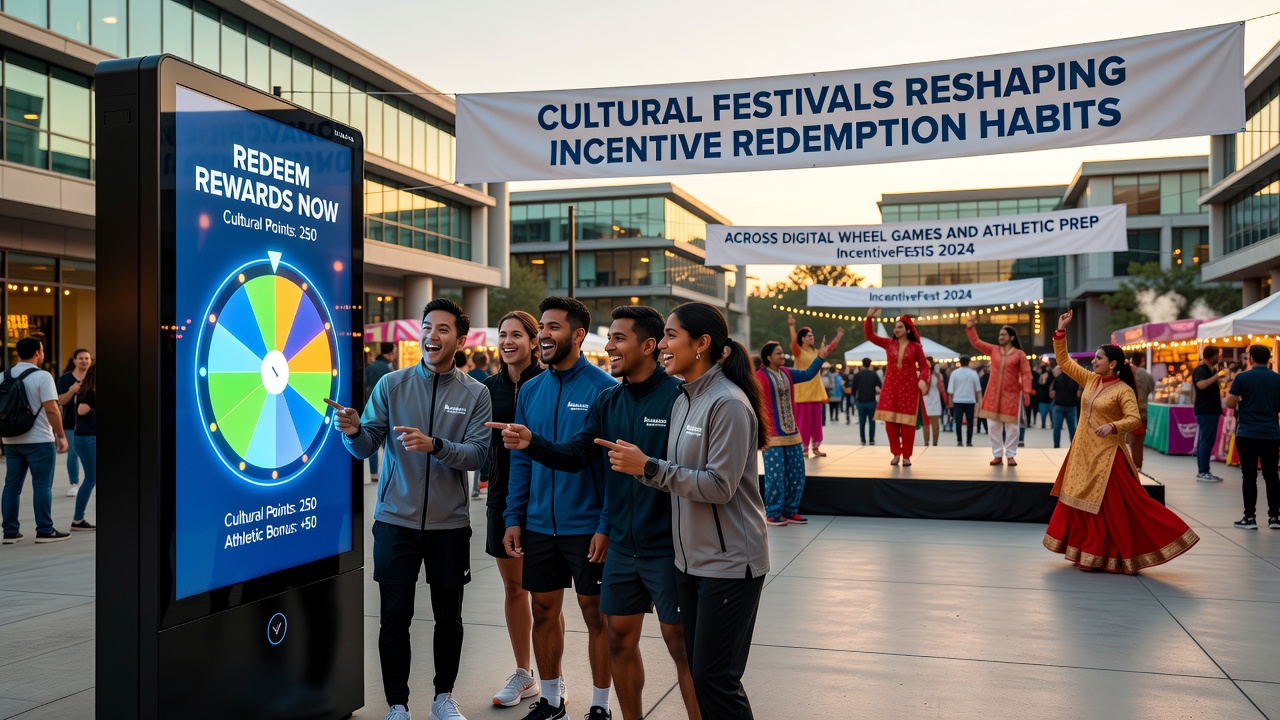
Take the case documented by researchers at the University of Melbourne's Gaming Behavior Lab, where festival attendees in Melbourne and Sydney showed 22 percent higher rates of converting prediction points into wheel spins on portable devices during winter cultural events. The lab's findings link these habits to the portability of devices, which allow seamless transitions between physical gatherings and digital interfaces without requiring dedicated setup time.
Regional Data and Cross-Border Comparisons
Comparative analysis across jurisdictions points to consistent yet localized effects. Reports compiled by the Singapore Centre for Digital Leisure Studies note that Chinese New Year and Hari Raya periods produce extended redemption tails lasting up to ten days after the main events, whereas shorter festivals generate sharper, one-week peaks. In contrast, data shared by Mexico's National Gaming Research Board shows Carnival seasons drive immediate post-event redemptions, often within 48 hours, among users accessing athletic prediction modules. These variations appear tied to differing social structures around each celebration rather than platform mechanics alone.
Portable device metrics further illustrate the role of connectivity. Network usage logs indicate that mobile data consumption for these apps increases during festival travel periods, when users maintain access while moving between venues. This mobility supports redemption patterns that follow real-world event schedules more closely than fixed calendar promotions.
Interface Features Supporting Festival-Aligned Habits
Developers have introduced time-sensitive redemption windows that align with cultural calendars on several major platforms. These adjustments include push notifications timed to local festival starts and portable-optimized interfaces that reduce steps for claiming incentives during high-traffic periods. According to internal analytics released by operators in the Middle East, such features correlate with higher completion rates when users participate from event-adjacent locations rather than stationary home settings.
What's notable is the integration of cultural timing into reward structures themselves. Some wheel games now feature limited-time segments themed around regional festivals, while athletic prediction tools offer bonus multipliers tied to specific holiday match schedules. These elements appear designed to match observed user flows without altering core game mathematics.
Conclusion
Available data through August 2026 demonstrates that cultural festivals continue to influence redemption timing and frequency across digital wheel games and athletic prediction tools accessed on portable devices. Regional studies from multiple continents confirm these shifts occur consistently, shaped by local event calendars and device portability rather than uniform global trends. Further monitoring by industry research groups will clarify whether these patterns stabilize or evolve with changing festival participation and technology access.