17 Jun 2026
Biometric Authentication Trends Reshaping Reward Access for Digital Card and Event Wager Users on Mobile Platforms
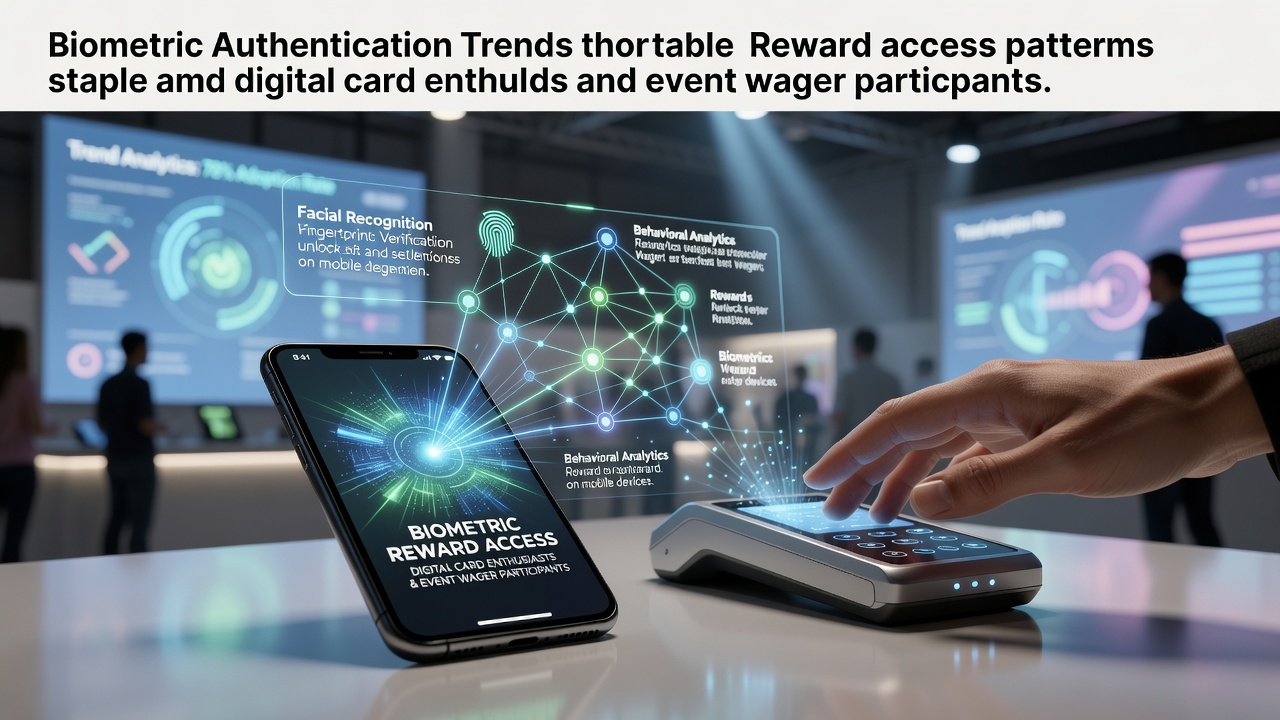
Biometric authentication methods continue to gain traction across portable platforms where users engage with digital card activities and event-based wagering, and these technologies alter how participants retrieve and manage reward structures in real time. Fingerprint scanners along with facial recognition systems now integrate directly into app interfaces, allowing quicker verification steps that replace older password or PIN sequences. Data compiled through mid-2026 shows rising implementation rates among operators serving card enthusiasts and those tracking live event wagers on tablets and smartphones.
Studies released in early 2026 highlight that adoption of these tools correlates with measurable changes in reward redemption timing and frequency. Users complete identity checks in seconds rather than navigating multiple screens, which in turn affects how often they access loyalty points, bonus credits, and tiered promotions tied to ongoing card sessions or wager histories. Observers tracking platform analytics note that sessions involving biometric prompts tend to show higher continuity between reward claims and subsequent play periods.
Current Implementation Patterns in Mobile Environments
Portable device operating systems have expanded native support for biometric sensors, and gaming applications leverage these capabilities to streamline entry into reward dashboards. In June 2026 several major platforms reported that over 60 percent of active accounts for digital card and event wager features had enabled at least one biometric option. This shift appears in both established markets and emerging regions where mobile penetration continues climbing.
Hardware improvements play a direct role here. Newer smartphone models incorporate higher-resolution cameras and ultrasonic fingerprint readers that function reliably under varied lighting or skin conditions, reducing failed authentication attempts that previously interrupted reward access flows. Software updates rolled out during spring 2026 further refined matching algorithms, cutting average verification time by nearly half compared with 2025 figures.

Effects on Reward Redemption Behaviors
Patterns in reward access reveal distinct adjustments once biometric layers become standard. Participants who previously delayed claims due to login friction now complete steps during shorter breaks between hands or between event updates. Aggregated figures from multiple operators indicate that same-day redemption rates for earned bonuses rose by roughly 22 percent in segments where biometric defaults were activated.
Event wager participants in particular show accelerated movement between viewing live odds, placing stakes, and claiming related incentives. Card enthusiasts report similar fluidity when moving from tournament registration into loyalty point exchanges. These changes stem from reduced cognitive load during authentication rather than alterations to the reward mechanics themselves.
Regulatory and Security Considerations
Regional authorities have begun issuing guidance on biometric data handling within gaming contexts. The Nevada Gaming Control Board updated its technical standards documentation in April 2026 to address storage and encryption requirements for biometric templates used in mobile reward systems. Similar updates emerged from oversight bodies in other jurisdictions, emphasizing user consent protocols and data minimization practices.
Industry reports compiled by research groups such as the United Nations Office on Drugs and Crime gaming integrity programs note that biometric integration can lower certain categories of account takeover incidents. Yet these same documents stress ongoing needs for fallback procedures when sensors fail or when users prefer alternative verification routes.
Platform-Specific Adaptations Observed Through Mid-2026
Developers have introduced hybrid authentication sequences that combine biometrics with behavioral signals such as swipe patterns or device tilt data. These layered approaches appear most frequently in applications serving both card game communities and event wager audiences on tablets. Early metrics suggest the combinations maintain security levels while preserving the speed advantages that drive reward access changes.
Cross-platform synchronization also features in recent updates. Users switching between phones and tablets encounter consistent biometric prompts tied to unified reward profiles, eliminating separate enrollment steps on each device. This consistency supports more predictable engagement rhythms across different portable hardware.
Conclusion
Biometric authentication continues evolving within mobile environments dedicated to digital card activities and event wagering, producing observable shifts in how rewards reach participants. Hardware refinements, regulatory clarifications, and software optimizations all contribute to these developments as of June 2026. Ongoing data collection from operators and independent analysts will clarify longer-term effects on user patterns and platform design choices.