17 Jul 2026
Auditory Layering Techniques in Digital Card Gaming Applications
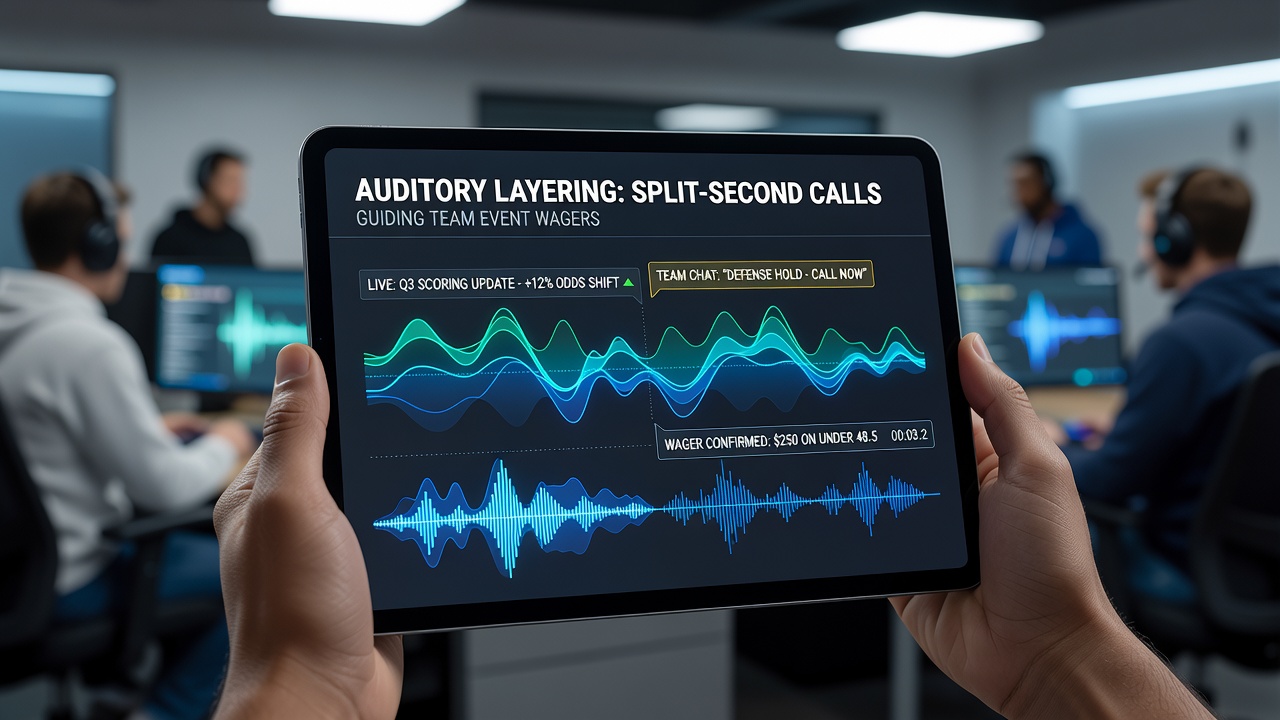
Digital card platforms incorporate auditory layering to support rapid decision points during rounds where players track multiple team event wagers on handheld screens, and these systems combine distinct sound channels that convey card values, betting timers, and wager updates without requiring constant visual checks. Observers note that the technique separates audio elements into primary cues for game state changes and secondary layers for peripheral wager alerts, allowing users to maintain focus across simultaneous activities. Data from mobile gaming interfaces shows adoption rates rising through 2026 as developers refine these audio structures for tablets and phones.
Core Components of Auditory Layering
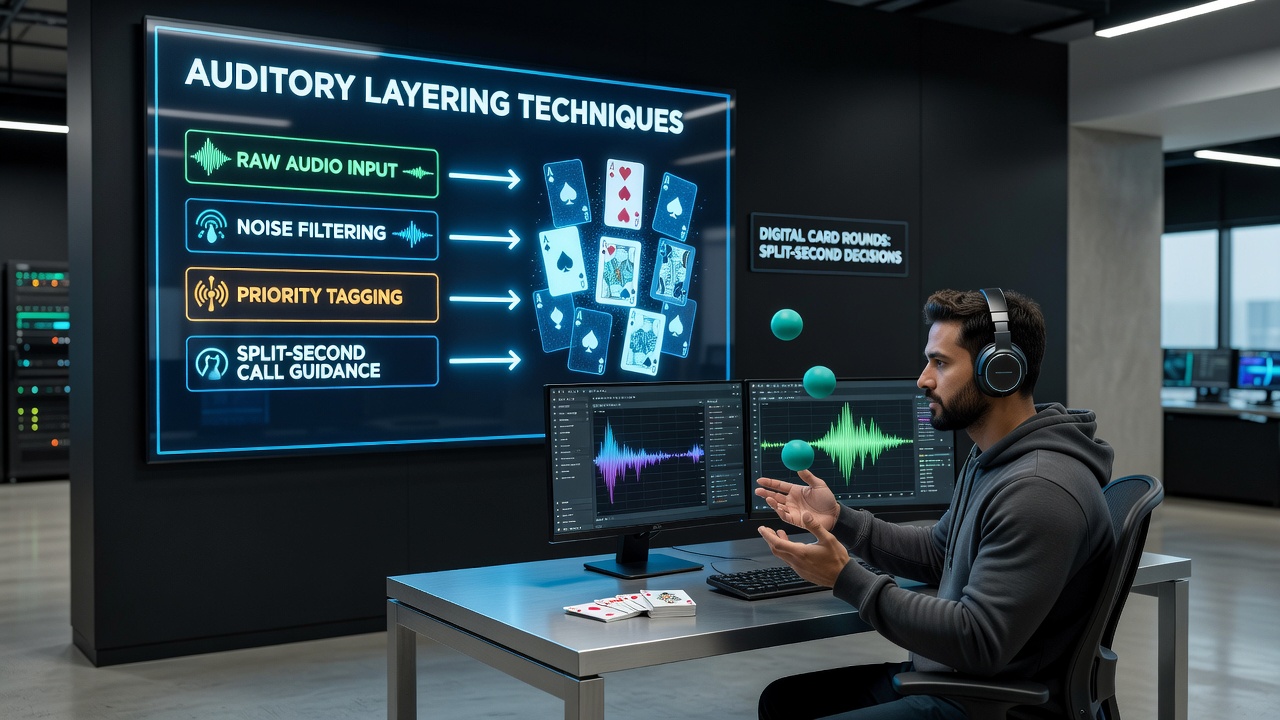
Primary audio channels deliver core round information such as card draws and call prompts while secondary layers handle event-specific wager notifications, and tertiary elements provide background rhythm that signals overall session pace. Researchers at institutions studying human-computer interaction have documented how frequency separation between these layers reduces cognitive load during split-second calls, with one study from a Canadian research group indicating improved response accuracy when low-frequency tones mark card reveals and higher pitches flag wager opportunities. Those managing team event wagers on handheld devices receive distinct audio markers that differentiate individual bets from group outcomes, and this separation proves essential when multiple rounds run concurrently.
Implementation in Mobile Card Environments
Application developers integrate auditory layering through device APIs that allow simultaneous playback of compressed audio tracks, and synchronization occurs via timestamped events tied to game servers. In July 2026 several platforms updated their audio engines to support adaptive layering based on user movement patterns detected through accelerometers, adjusting volume and pitch when screens tilt during quick glances. People who juggle team event wagers report that these adjustments keep notifications audible even in varied environments, while the system mutes non-critical layers during active card calls to prevent overlap. Technical documentation from industry groups highlights that latency under 50 milliseconds between server triggers and audio delivery maintains the split-second timing required for competitive rounds.
Integration with Team Event Wager Management
Team event wagers introduce additional audio streams that layer over standard card sounds, delivering updates on teammate performance and collective scoring without interrupting the primary round flow. Platforms achieve this by assigning unique timbre profiles to each wager category, so a basketball team bet might use percussive hits while a card call uses tonal pulses, and users learn these distinctions through repeated exposure rather than explicit instruction. According to figures from an Australian regulatory review of digital gaming interfaces, such layered systems correlate with higher retention among users handling combined card and event activities on single devices. The approach extends to group notifications where collective wager status receives a shared audio motif that all participants recognize, reducing the need for text pop-ups during fast-paced segments.
Technical Standards and Device Considerations
Hardware variations across phones and tablets influence how auditory layering performs, with higher-end devices supporting more simultaneous tracks before audio compression artifacts appear. Standards bodies in the European Union have issued guidelines on audio accessibility that encourage developers to include user controls for layer intensity, and these recommendations appear in several 2026 platform updates. Developers test layering under conditions that simulate crowded audio environments, ensuring critical calls remain distinguishable even when background device sounds compete. Observers note that battery impact stays minimal because layered tracks use short, preloaded samples rather than continuous streams, and this efficiency supports extended sessions involving repeated card rounds and wager adjustments.
Observed Usage Patterns in 2026
Analytics from July 2026 indicate that sessions featuring active auditory layering show extended engagement times compared with visual-only interfaces, particularly among users balancing card decisions with team event monitoring. Patterns reveal that players activate custom layer presets more frequently during evening hours when ambient noise levels rise, and preset sharing through community forums has increased since mid-year platform releases. Data released by an academic consortium tracking mobile interface trends points to measurable differences in decision speed when users rely on layered audio versus screen alerts alone, and these differences hold across both casual and structured play formats. Regional differences emerge as well, with North American users showing preference for more pronounced wager-layer volumes while Asian markets favor subtler integrations that blend with existing device notification systems.
Conclusion
Auditory layering continues to evolve as a practical tool within digital card applications that support simultaneous team event wagers on handheld screens. The separation of audio channels into distinct functional groups enables split-second calls while preserving awareness of secondary betting activity, and ongoing refinements in July 2026 reflect broader industry attention to interface efficiency. Technical standards and usage data together demonstrate how these techniques integrate with existing mobile hardware without introducing significant resource demands. Future iterations will likely build on current synchronization methods to further align audio delivery with individual user patterns across varied device ecosystems.